Interpreting Strange Cat Behaviors: A Pet Parent’s Guide
Introduction
You may have sat beside your cat, only to see it suddenly sprinting across the house or staring motionless at a corner. Maybe it meows at night for no apparent reason or chooses a strange spot to sleep. These moments are often the first encounters cat owners have with their pets’ unusual behaviors—behaviors that can be both amusing and worrying.
The goal of this article is to help you “translate” your cat’s strange behaviors, without causing stress to either you or your cat. We’ll explore what different behaviors might indicate and when it’s necessary to consult a veterinarian.
This guide blends real experiences from cat owners, scientific interpretations of feline behavior, and practical advice for daily life with your quirky cat
Sudden Bursts of Energy
Why do cats sometimes race around the house for no reason?
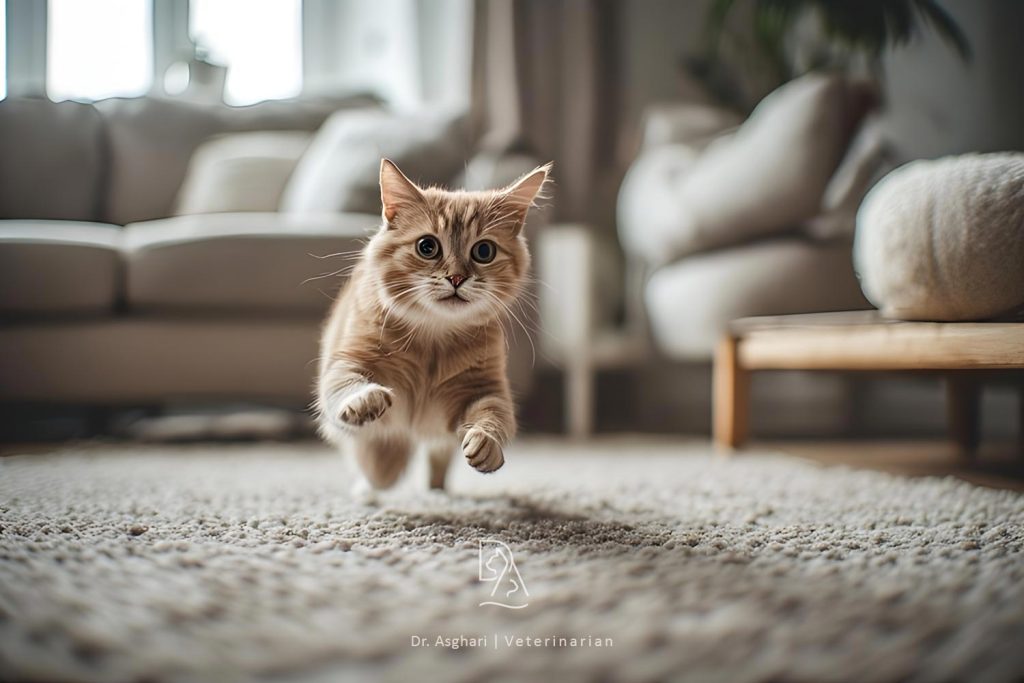
One of the most recognizable examples of odd cat behavior is sudden sprinting around the house, often happening without warning.
You might have seen it yourself: one moment your cat is lounging peacefully on the sofa, and the next it’s darting across the carpet or leaping onto tables or chairs. This is usually the release of built-up energy, especially after a long nap or a low-activity day. Cats need this kind of activity to keep their muscles and joints healthy, making it a natural part of their unusual behaviors.
Practical tips for cat parents:
Creating a safe space is essential for managing this type of behavior. A clear path or a simple toy allows your cat to burn off energy while protecting your furniture. If these bursts come with aggression or increase in intensity, consulting a veterinarian is recommended.
Staring at Walls or Invisible Spots
Why do cats fixate on walls or empty spaces?
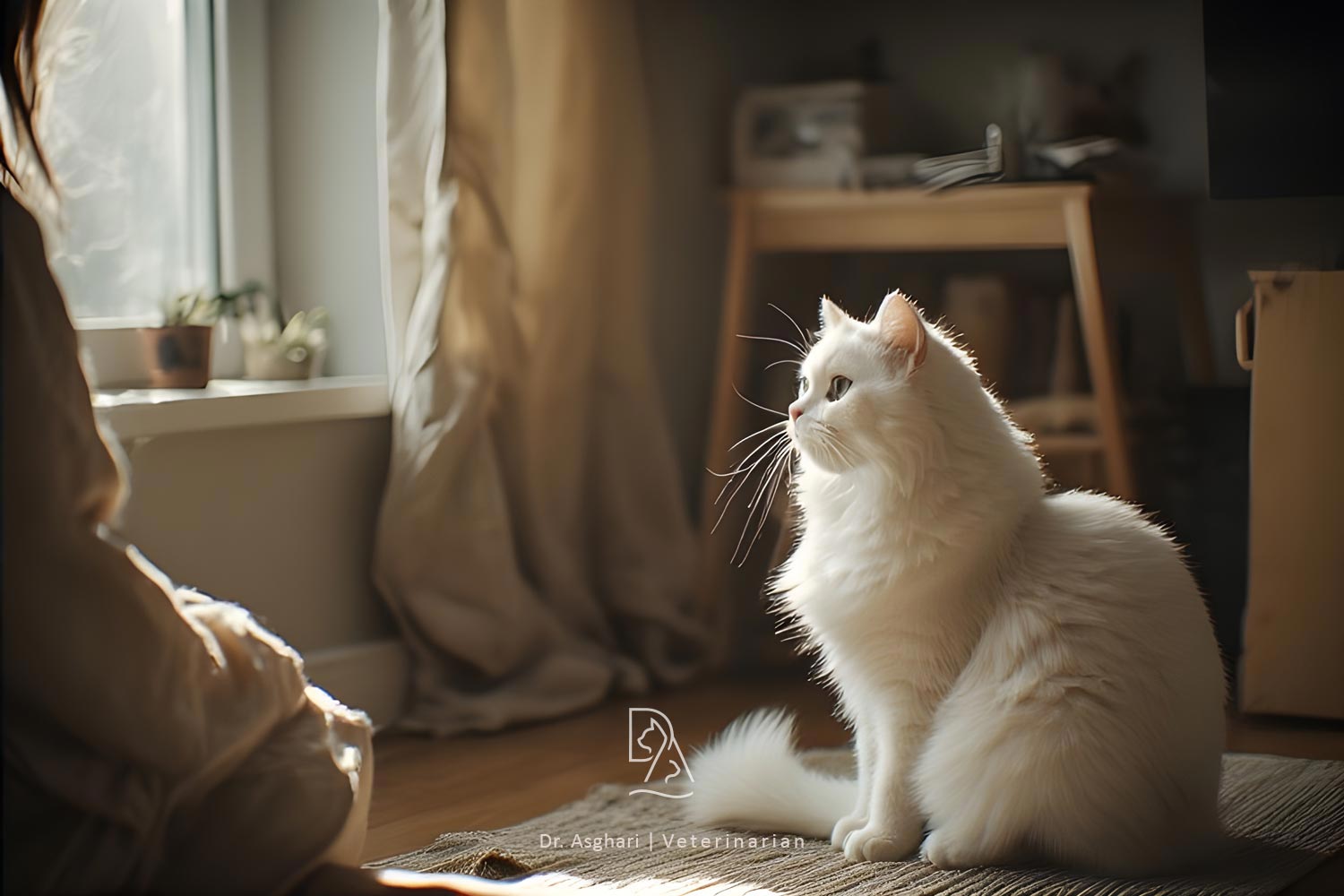
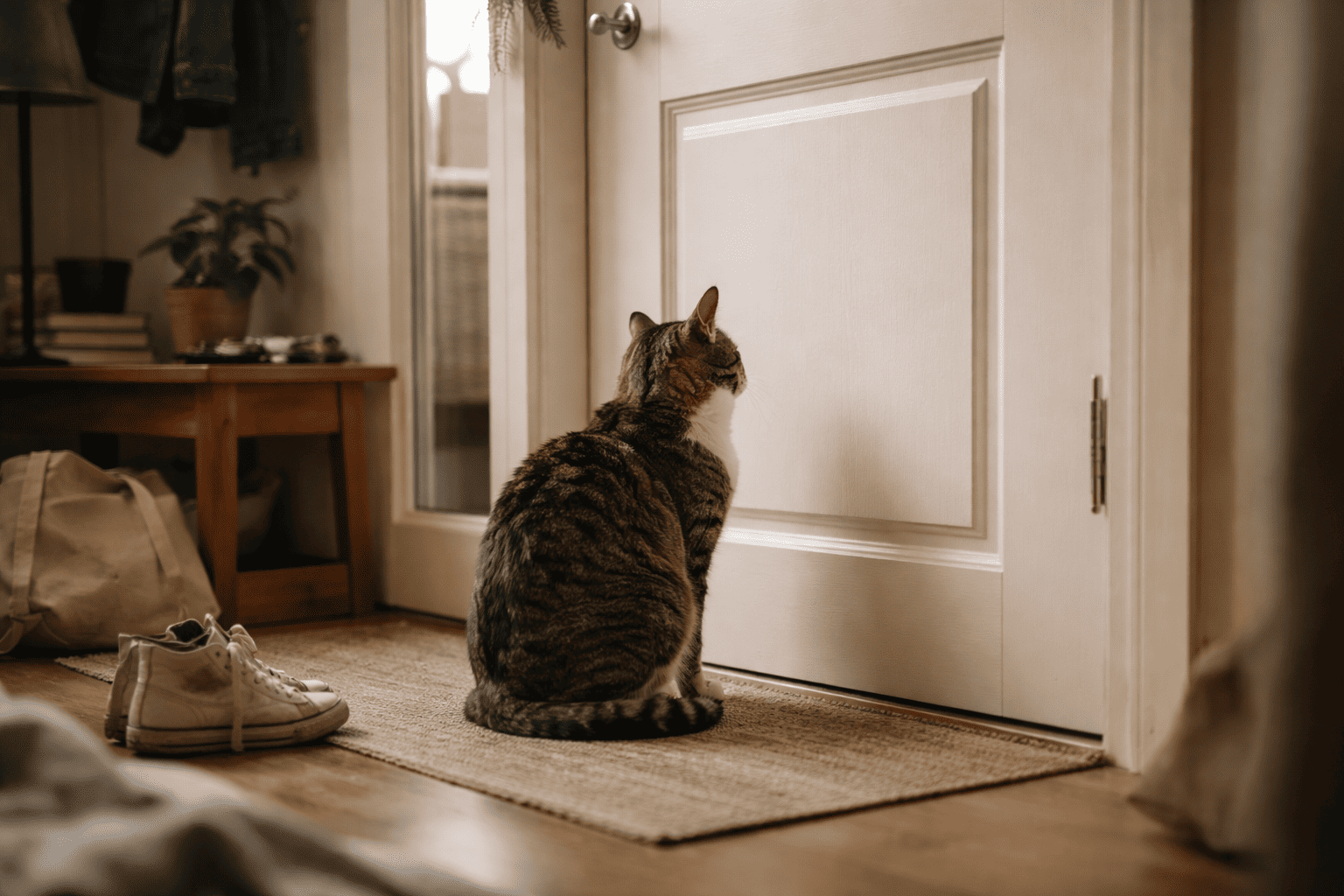
Long stares at walls, ceilings, or empty spaces are among the most common—and puzzling—odd behaviors in cats, often leaving owners surprised or concerned. Many people initially assume their cat sees something unusual or is mentally unwell.
In reality, these stares usually don’t signal hallucinations or disorders. Cats have highly advanced senses. Their hearing can pick up high-frequency sounds inaudible to humans, and their sense of smell is many times stronger than ours. Often, these behaviors are simply responses to stimuli we cannot perceive.
A faint noise behind a wall, the tiny movement of an insect, or a subtle shift in light and shadow can fully capture a cat’s attention. In such cases, staring is a form of focused observation, not a sign of a problem. This behavior largely reflects their natural curiosity.
Sometimes, staring at invisible points can even be a mental pastime. When environmental stimulation is low, cats may stay engaged by observing the smallest changes around them. This is especially common in indoor cats and represents one of the most natural forms of odd behavior.
However, if staring becomes frequent and prolonged, especially when accompanied by signs such as anxiety, changes in appetite, hiding, or unusual reactions, it’s wise to evaluate the environment. Reducing stress, providing safe spaces, and, if necessary, consulting a veterinarian can help identify the root cause of these behaviors.
Excessive Grooming
Why do cats sometimes groom themselves too much?
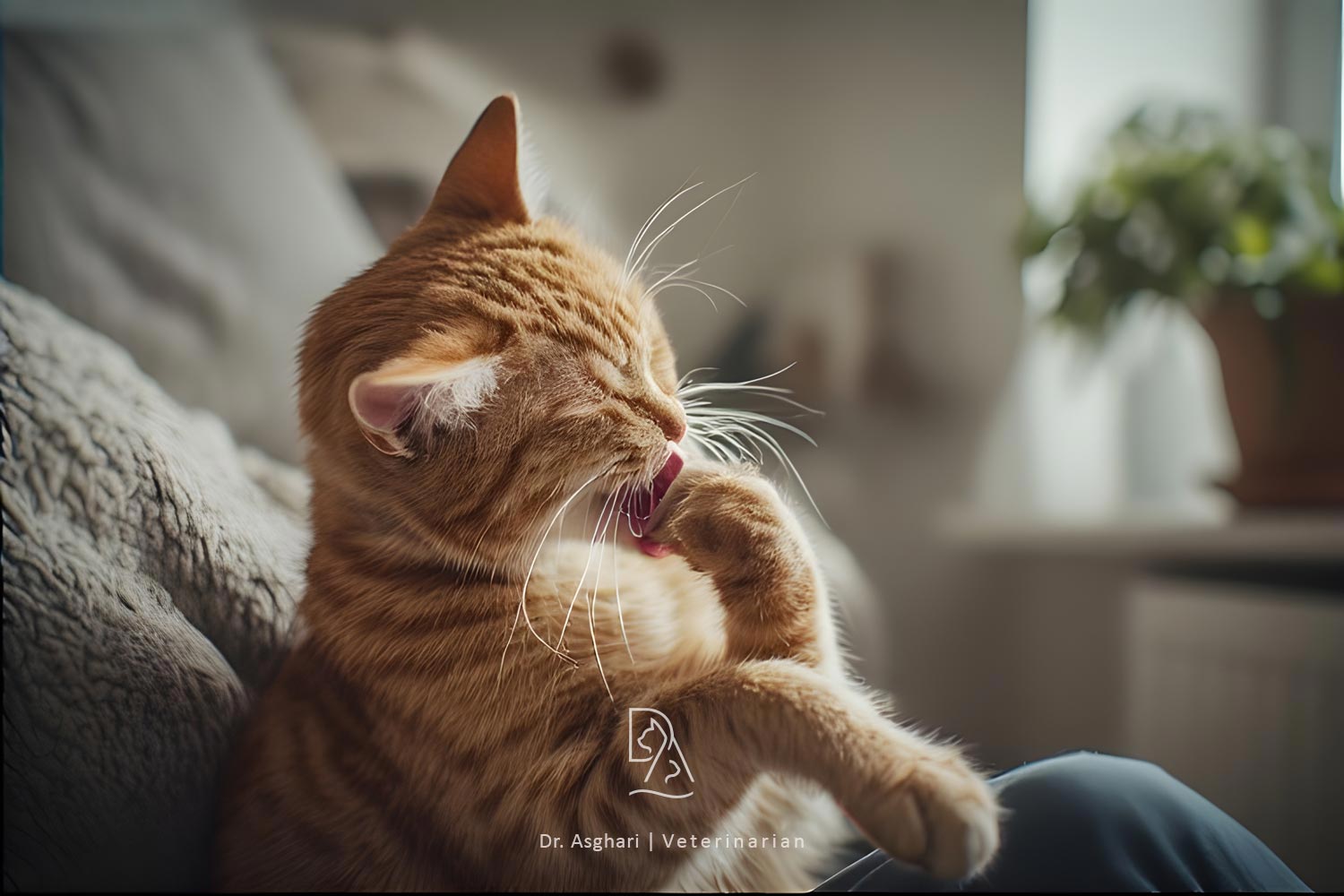
Grooming is a normal, daily part of a cat’s life, helping them stay clean and calm. But when it becomes repetitive or obsessive, it stands out as one of the more noticeable unusual behaviors that shouldn’t be ignored.
If you notice your cat spending hours focused on a specific area, with fur gradually thinning, this behavior could be signaling something. Environmental stressors—like moving to a new home, introducing another pet, changes in routine, or unfamiliar sounds—often trigger this type of grooming as a self-soothing mechanism.
Skin sensitivities, food allergies, or contact with irritants can also lead cats to over-groom to relieve discomfort. In some cases, hidden pain, such as joint or internal issues, can manifest as obsessive grooming without obvious outward signs.
As a pet parent, paying attention to details is crucial. Check for redness or sores, review recent environmental changes, and observe behavioral patterns. If over-grooming continues or causes hair loss or skin irritation, a veterinary visit is essential to pinpoint the cause and provide proper treatment.
Sleeping in Unusual Spots
Why do cats choose odd places to sleep?
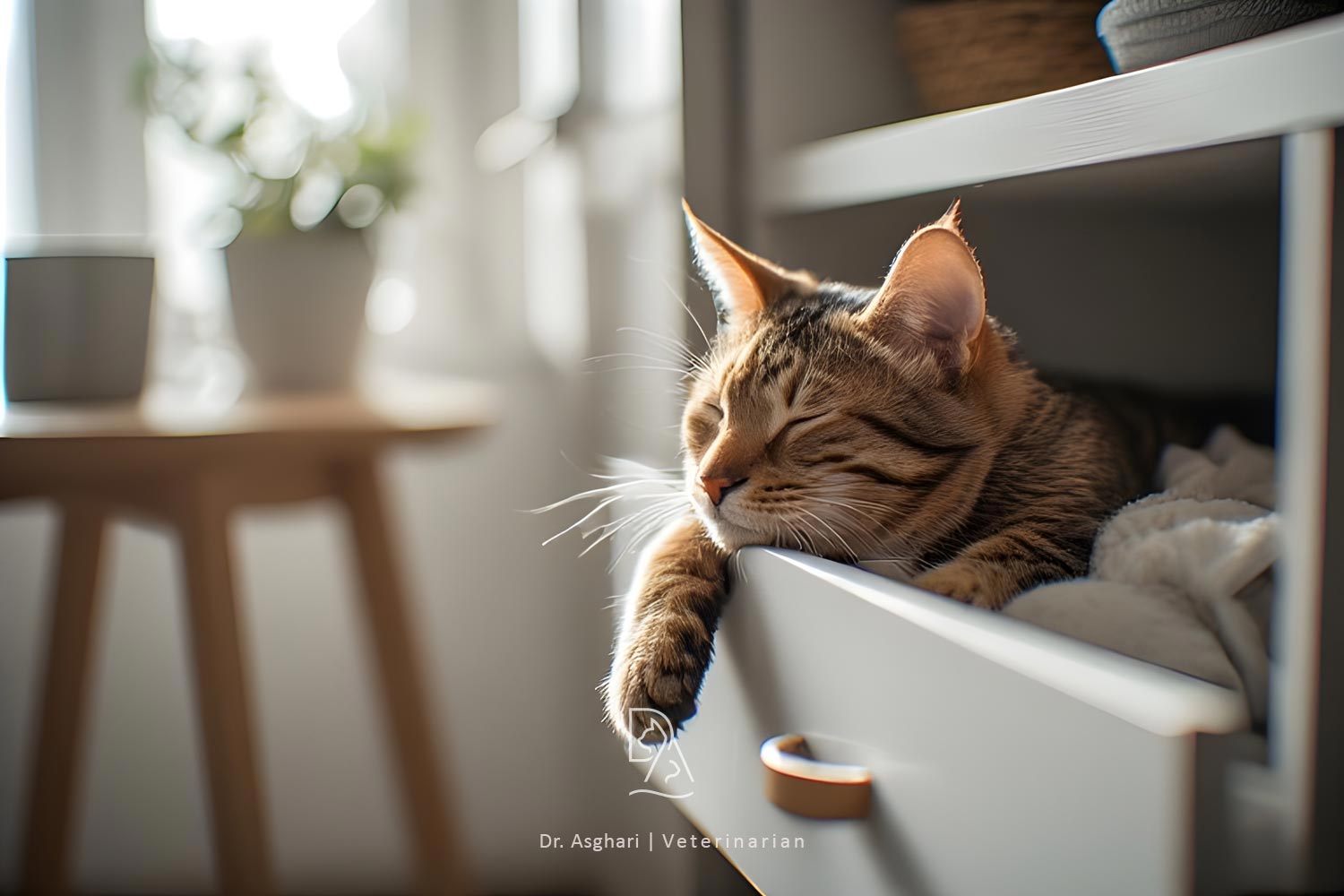
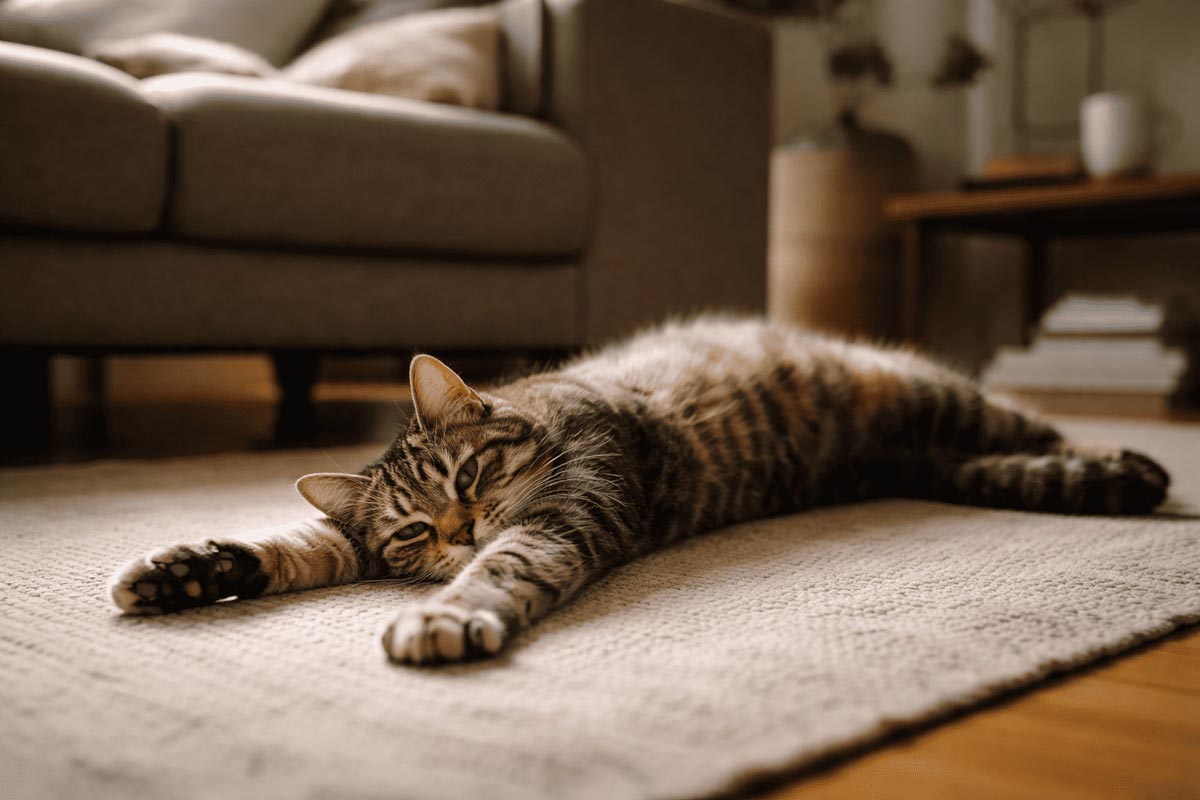
Sleeping in drawers, boxes, or other small, unconventional spaces is another common odd behavior that often surprises owners. While it may seem strange to us, it is rooted in instinct and a sense of security.
Cats naturally feel safer in small, enclosed, cozy areas, which give them a sense of protection and calm. Even when the surrounding environment is safe, choosing a confined corner allows for more comfortable rest and mental focus. This is a classic example of unusual behavior, reflecting a cat’s need for security and peace.
Sometimes, selecting unusual sleeping spots is driven by curiosity or exploration. Cats enjoy discovering their surroundings and may choose spots that seem odd to us but feel safe and interesting to them. These behaviors combine a need for security with natural curiosity.
Practical tip: Ensure the chosen spot is physically safe and accessible. Providing an alternative secure, warm, and comfortable space can meet your cat’s needs while giving you peace of mind. Observing and understanding this type of behavior strengthens your bond and helps you better navigate your cat’s mysterious world.
Unusual Meowing or Back Leg Kicking
When is meowing abnormal?
Continuous meowing or sudden back-leg kicking is another clear example of odd behavior, especially when it differs from your cat’s usual pattern. Such behaviors can be confusing or worrying for owners, yet they often represent natural ways for cats to play, seek attention, or burn energy.
However, these behaviors can sometimes indicate stress or physical discomfort. Changes like reduced appetite, lethargy, hiding, or altered sleep patterns can help determine whether unusual meowing signals a real problem or is simply normal.
Careful observation and recording of these behaviors are important. If the behavior persists or intensifies, veterinary evaluation is the best approach to ensure your cat’s physical and mental well-being. This helps maintain both their health and a safe, calm relationship, even when faced with some of their stranger habits.
Conclusion
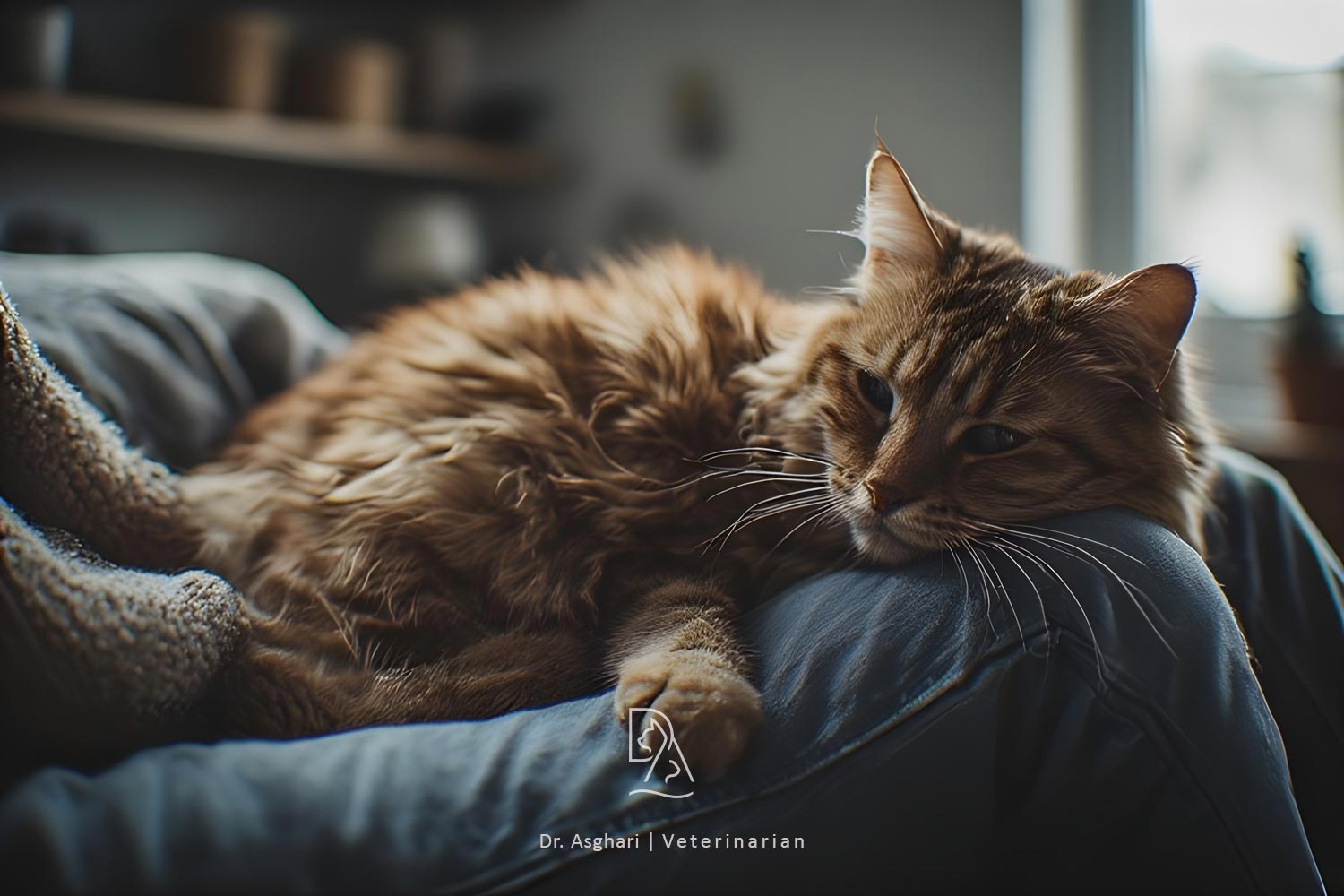
Cats are complex, with unique personalities. Strange behaviors don’t always signal a problem. Most indicate a need for play, comfort, or exploration.
As a pet parent, it’s important to:
- Observe without judgment
- Know the difference between normal behavior and signs of illness
- Seek veterinary advice if in doubt or if sudden changes occur
Remember, “translating” cat behavior takes patience, attention, and experience. This article is a starting point to better understand your cat’s mysterious world and build a deeper bond.