When a Pet Is Left Home Alone Without Their Owner
Most dog and cat owners have seen this scene at least once.
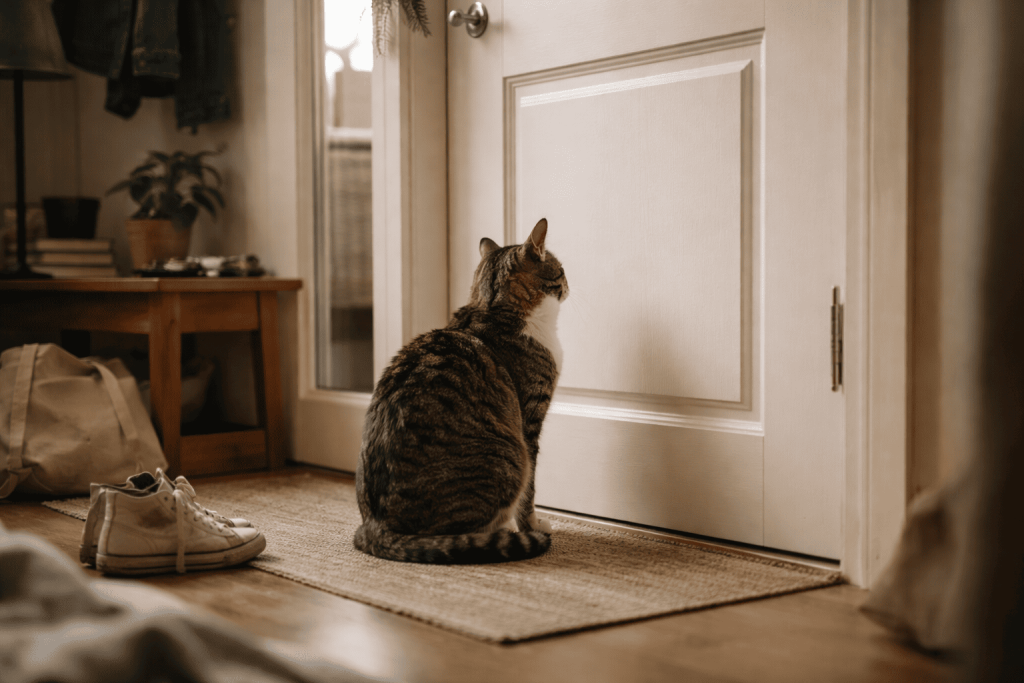
You put on your shoes, grab your keys, and before the door is even fully closed, something changes.
Your dog becomes restless. Your cat’s behavior shifts.
Some pets start howling, some disappear into hiding, and some wait until you leave and then turn the house upside down.
The first thought that usually pops up is simple:
“He’s spoiled.”
“She’s just being dramatic.”
Most of the time, that’s not the truth.
Separation anxiety in dogs and cats is not attention-seeking or stubborn behavior. In many cases, it is a real stress response to being alone. And when that stress is ignored, it often grows stronger, more persistent, and more destructive over time.
This article isn’t here to scare you or blame you.
It’s here to help you understand what’s normal, what’s a warning sign, and what actually works.
What Is Separation Anxiety and Why Does It Happen?
Separation anxiety is a condition in which a pet experiences significant stress when their owner leaves or when they are left alone. The intensity can vary. For some animals, it’s mild and temporary. For others, it can be severe enough to disrupt daily life for both the pet and the owner.
Here’s the key point many people miss:
Separation anxiety does not mean unhealthy attachment. In many cases, the animal simply associates safety with the presence of their owner. When that sense of safety is suddenly removed, the brain switches into alert mode.
Separation Anxiety in Dogs
Dogs are naturally social animals. For many of them, being left alone feels like being cut off from their group. When this happens, dogs may display behaviors that look exaggerated from the outside but make perfect sense from their perspective.
Common Signs of Separation Anxiety in Dogs
- Howling or barking immediately after the owner leaves
- Pacing and visible restlessness
- Destructive behavior, especially near doors or windows
- Excessive licking or chewing of their body
- Loss of appetite or heavy panting
What many people don’t realize is that destruction is rarely driven by anger. Most of the time, it’s an unsuccessful attempt to cope with stress.

Separation Anxiety in Cats
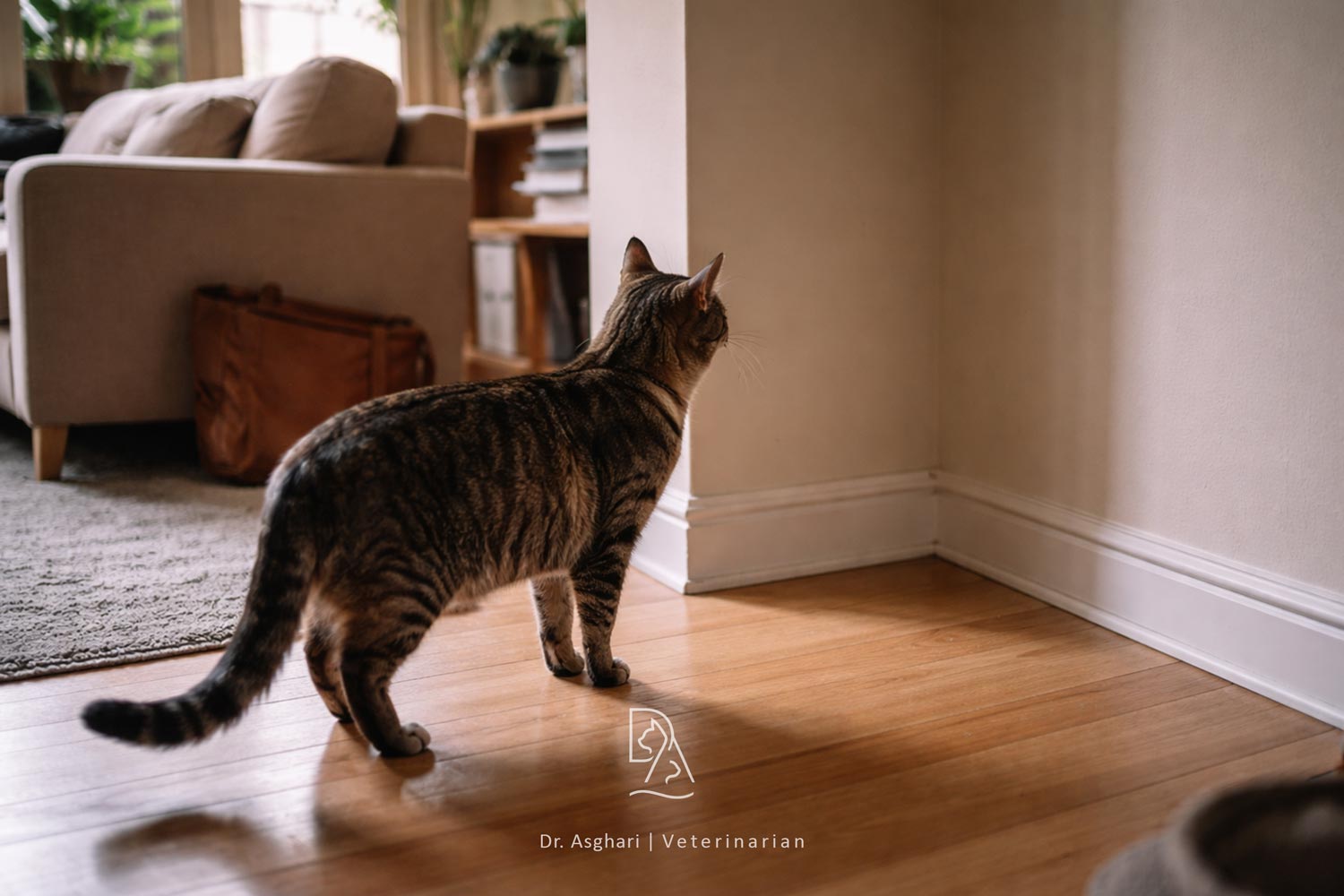
Despite common belief, cats can also suffer from separation anxiety. Their signs are usually more subtle, which is why the problem is often overlooked.
Signs of Separation Anxiety in Cats
- Prolonged hiding or withdrawal
- Unusual vocalization, especially when the owner leaves or returns
- Excessive grooming or hair loss
- Changes in appetite
- Subtle destructive behavior, such as scratching specific objects
A cat that becomes anxious when left alone isn’t necessarily “clingy.” Often, they are attached to environmental stability rather than to constant physical contact.
Separation Anxiety Symptoms in Pets: From Mild to Severe
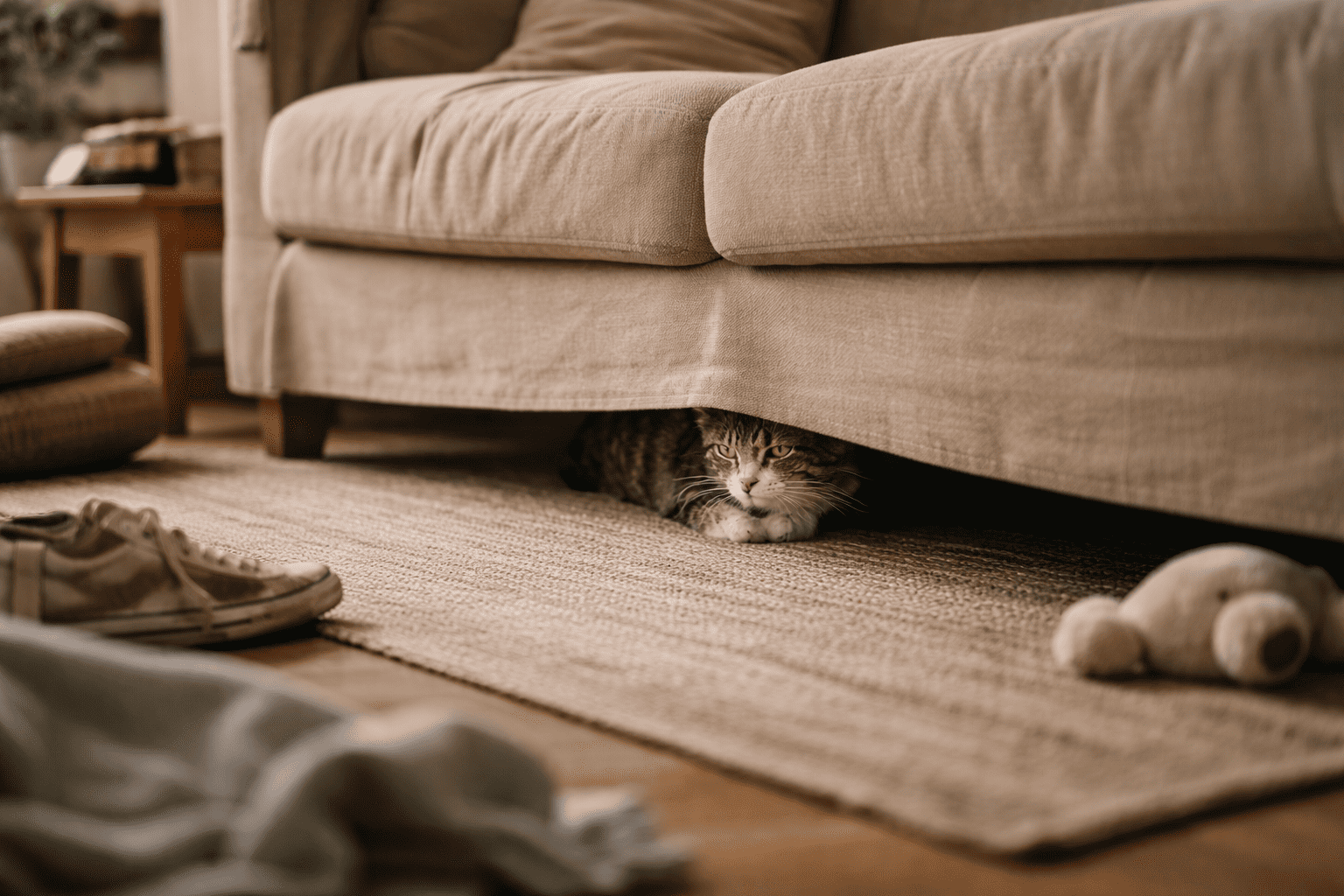
Separation anxiety doesn’t always appear suddenly or dramatically. It usually exists on a spectrum:
- Mild: Brief restlessness, slight behavior changes, quick return to normal
- Moderate: Repetitive behaviors, limited destruction, noticeable stress
- Severe: Continuous vocalization, self-injury, extensive destruction, reduced quality of life
Recognizing this spectrum matters. Early intervention is far easier than trying to manage advanced cases.
Causes of Separation Anxiety in Dogs and Cats
Contrary to what many oversimplified tips suggest, separation anxiety rarely has a single, clear cause. In most cases, it develops from a combination of small factors happening at the same time. Individually, these factors might not cause a problem, but together they can push an animal into chronic stress.
One of the most common triggers is a sudden change in daily routine. A dog used to predictable hours with their owner, or a cat that depends heavily on environmental consistency, may feel insecure when routines shift. New work schedules, moving homes, frequent travel, or even changes in family members’ comings and goings can quietly disrupt a pet’s sense of safety. The anxiety doesn’t always show up immediately, but it can gradually develop into separation-related stress.
Another major factor is being left alone for long periods without preparation. Many dogs and cats have never learned that being alone is temporary and safe. When an animal that relies on their owner’s presence for calm is suddenly left alone for hours, their brain interprets the situation as a threat rather than a normal pause.
In some cases, excessive dependence on the owner also plays a role. This dependence isn’t necessarily caused by too much affection or “spoiling.” More often, it comes from a lack of gradual independence training. When an animal’s emotional security is fully tied to their owner’s physical presence, every departure becomes destabilizing.
Past negative experiences should not be ignored. Pets with histories of abandonment, shelter life, painful illnesses, or extended periods of isolation are often more sensitive to separation. For these animals, being alone isn’t just solitude. It can reactivate unpleasant memories from the past.
Finally, overall household stress can set the stage for separation anxiety. A tense environment, loud noises, constant changes, or even the owner’s own anxiety can be absorbed by the animal. When baseline stress is already high, the owner leaving simply becomes the trigger that activates it.
One important point deserves to be said clearly:
In many cases, the owner hasn’t done anything wrong.
Sometimes life circumstances change faster than an animal can adapt. Recognizing this is the first step toward improvement, not self-blame.
What Makes Separation Anxiety Worse When a Pet Is Left Alone?
- Long, emotional goodbyes
- Punishing the pet after destructive behavior
- Overly excited greetings upon return
- Suddenly leaving the pet alone for long hours
- Ignoring early, mild warning signs
These behaviors usually come from love, but they unintentionally reinforce stress.
Treating Separation Anxiety in Pets
Treatment doesn’t always mean medication. In fact, for many pets, behavior modification and routine adjustment are far more effective.
Basic Strategies
- Gradual training for being alone
- Creating predictable daily routines
- Providing mental enrichment during absences
- Reducing moment-to-moment dependency on the owner
When Should You Consult a Veterinarian or Behaviorist?
- When anxiety is severe or worsening
- When the pet is harming themselves
- When sudden behavior changes occur without a clear cause
- When home-based strategies don’t help
Seeking professional help isn’t a weakness. It’s responsible pet care.

Conclusion: Is This Your Fault?
In most cases, no.
Separation anxiety isn’t the result of being a “bad owner.” It comes from a mismatch between a pet’s needs and their living conditions. The good news is that this mismatch can be corrected, as long as it’s recognized and taken seriously.
If your dog or cat becomes stressed when you leave, take a step back before blaming yourself or your pet. Their behavior is communicating something. You just need to know how to listen.