Introduction
Summer hasn’t even fully started yet, but the asphalt on the street is hot. The fan is on, maybe the air conditioner too. Everything seems normal… until your dog starts panting abnormally. Or your always curious and active cat suddenly curls up under the bed and doesn’t even bother to look.
This is where the confusion usually begins.
Some pet owners think their animal is just tired. Some give it water and wait. Others realize too late that the issue is not just “the heat of the air”; it is heat stroke in dogs and cats. A problem that can sometimes put an animal in a dangerous situation in less than an hour.
The reality is that dogs and cats’ bodies don’t work like human bodies. They almost don’t sweat and their ability to cool their bodies is more limited. So, heat that might be just a nuisance for us can become a crisis for a pet. Especially in a turned-off car, on a hot balcony, on a summer afternoon walk, or even in a poorly ventilated house. Every summer, humans rediscover that “just five minutes in the car” wasn’t such a great idea.
In this article, we’re not going to list just a few general signs. We’re going to take a closer look at:
- What are the signs of heatstroke in dogs and cats?
- When does it become a serious risk?
- What should you do at home?
- What mistakes can make things worse?
- And how to prevent heatstroke in pets?
What exactly is heatstroke in dogs and cats?
Heatstroke in dogs and cats occurs when an animal’s body temperature gets too high and the body can no longer cool itself. It’s not just “overheating.” In severe cases, internal organs begin to fail.
The normal body temperature of dogs and cats is usually between ۳۸ and ۳۹ degrees Celsius. When this temperature reaches the dangerous range, especially above ۴۰ to ۴۱ degrees Celsius, heat stroke in dogs or serious injury in cats is possible.
The problem is that heatstroke in dogs and cats can sometimes progress very quickly. The animal may be only slightly lethargic at first, but suddenly develop severe weakness, vomiting, or even seizures.
Why do some animals get heatstroke more quickly?

Not all pets tolerate heat equally.
Short-haired and short-faced breeds are more at risk
Dogs like pugs, French bulldogs, and shih tzus breathe more difficultly due to their respiratory structure. This can be dangerous when the weather gets hot.
On the other hand, furry breeds like huskies and some long-haired cats are also more prone to heatstroke in dogs and cats in the summer.
Being overweight plays a role
Obese animals tend to have a harder time dissipating heat. Many may not take this seriously, but being overweight is not just a matter of appearance. In extreme heat, it can be the difference between a manageable situation and a real emergency.
- Age also plays a role
- Puppies and kittens
- Senior pets
Pets with heart or respiratory disease
Typically, dogs and cats develop heatstroke more quickly.
What are the symptoms of heatstroke in dogs and cats?
This is perhaps the most important part of the entire article. Because in the real world, heatstroke in dogs and cats usually does not start with a dramatic scene. Most of the time, it comes on quietly and quietly.
The pet owner thinks:
“He’s just tired.”
“It’s hot, it’s normal for him to be panting.”
“He’ll be fine now if he rests.”
And it’s precisely these few minutes of hesitation that sometimes make the situation more dangerous.
When the animal enters the heatstroke phase, the body is struggling to lower its internal temperature. If it doesn’t succeed, the brain, heart, kidneys, and respiratory system begin to become stressed. That’s why recognizing the early signs is so crucial.
Early Signs of Heatstroke in Dogs and Cats
In the early stages, the animal is still alert, but its body is clearly giving warning.
Heavy panting in dogs
Unlike humans, dogs do not sweat. The most important way for their bodies to cool down is by panting.
However, in heatstroke in dogs and cats, this panting is not normal.
You may see:
- Very rapid breathing
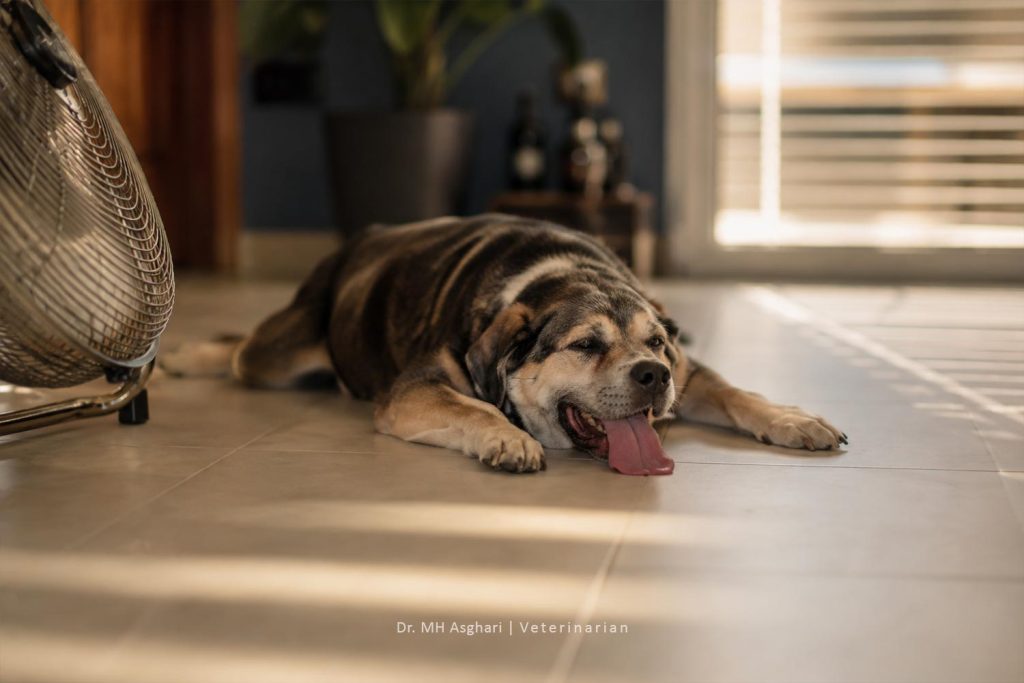
- The tongue is completely protruding
- The breathing sound is heavier than usual
- The animal does not calm down even after resting
Some pet owners say:
“It seems like it cannot regulate its breathing.”
This description is very accurate, by the way.
Very red or dry tongue
One of the important signs of heatstroke in dogs and cats is a change in the color and moisture of the gums and tongue.
The tongue may:
- become dark red
- seem excessively dry
- or even become slightly sticky
This is usually a sign of dehydration and an increase in the animal’s body temperature.
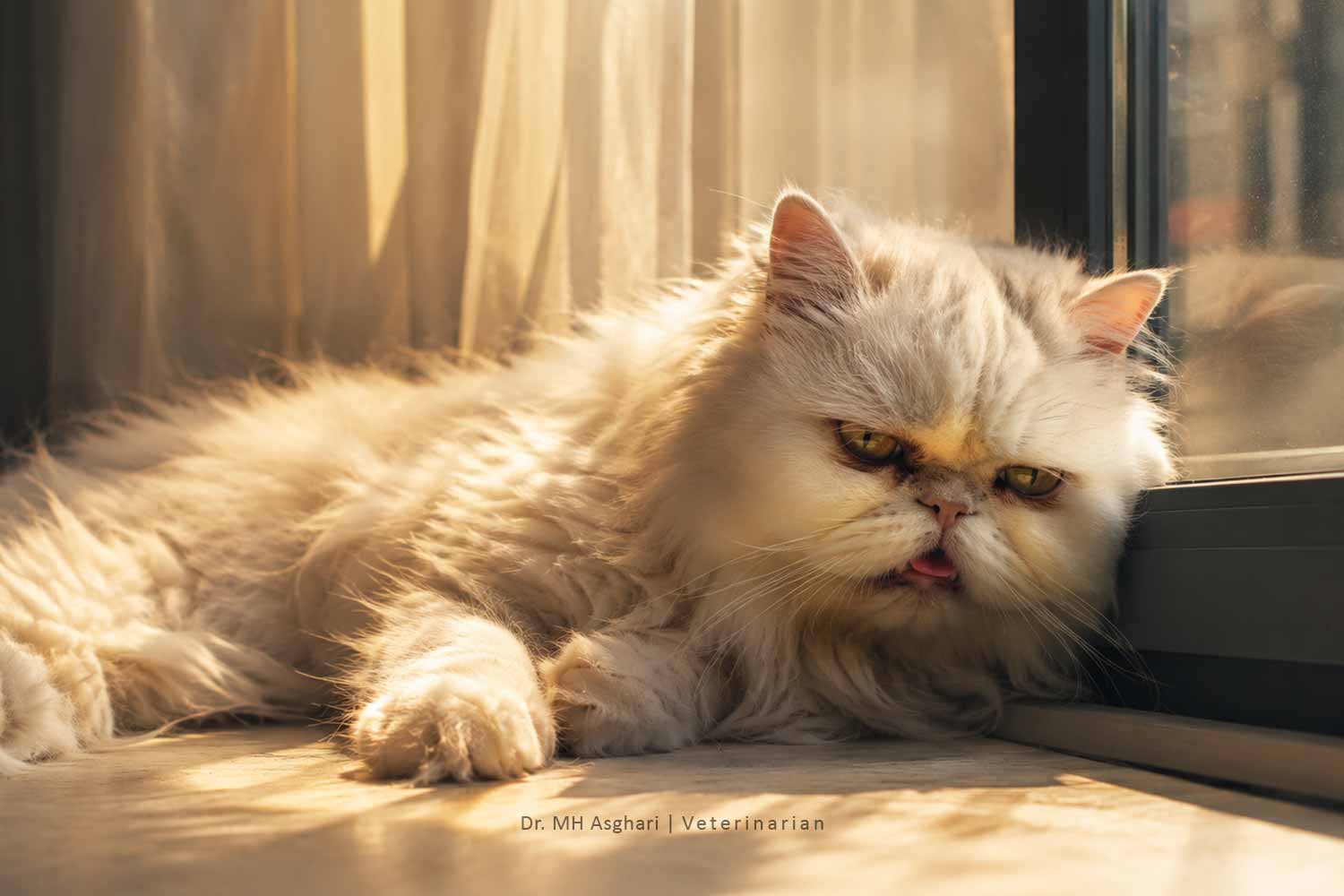
Sudden lethargy in cats

Cats are masters at hiding their illness. Nature has taught them not to show their weakness. The result? The owner sometimes finds out too late.
A cat with heatstroke may:
- Suddenly become withdrawn
- Hide under the bed or in a dark place
- Be less responsive
- Stop playing
- Or even become indifferent to its favorite food
And here’s the dangerous part:
Sometimes the cat doesn’t seem “too sick” yet, but its body temperature is rising and heat stroke is imminent.
Increased heart rate
When an animal’s body gets too hot, the heart has to work harder to get rid of the heat.
You may not be able to measure the heart rate directly, but you may notice:
- The animal is restless
- Breathing rapidly
- Its body is hotter than usual
- Or it gets tired after minimal activity
Dropping of the mouth
Some dogs, especially when they are overheated, will salivate profusely and thickly.
It may even appear foamy.
This sign should not be attributed solely to “excitement” or “stress.” Especially if it is accompanied by heavy panting.
Restlessness and constant movement
Some animals will constantly change positions.
They will sit down, stand up, lie down again.
It seems as if they cannot find a comfortable position.
Their bodies are actually trying to cool down.
Tendency to lie down on ceramic tiles or cool places
Many pet owners have seen this scene:
A dog or cat suddenly spreads itself out on the ceramic tiles in the kitchen or bathroom.
This behavior is not always dangerous, but in very hot weather it can be one of the first signs that the body is trying to cool down.
Sometimes the animal just seems “weird.”
Not completely sick. Not normal.
It seems like it has no energy or doesn’t feel like moving. Especially in cats, the symptoms of heatstroke can start vaguely and quietly. This makes it difficult for some pet owners to realize that the situation is getting serious.
Dangerous and severe symptoms of heatstroke in dogs and cats
If heatstroke in dogs and cats continues and the body temperature does not drop, the situation enters a dangerous stage. This is no longer just a matter of discomfort or fatigue.
The animal’s body may be on the verge of serious damage.
Vomiting
When the body temperature rises too high, the digestive system is also stressed.
Vomiting in heatstroke is usually a sign that the body can no longer control the situation. Some animals even develop diarrhea.
Unbalance
The animal may:
- Stagger when walking
- Bump into a wall
- Or be unable to stand up straight
This sign is important, because it can indicate that the heat has affected the nervous system.
Sudden falls
Sometimes a dog or cat suddenly falls to the ground and cannot get up.
This is an emergency.
Do not wait until “it might get better on its own.”
Difficulty breathing
In severe cases, panting becomes labored breathing.
The animal may:
- Crane its neck for air
- Open its mouth wide
- Or make wheezing sounds
This is when the body is struggling to compensate for the lack of oxygen.
Bruising or abnormal color of the gums
Healthy gums are usually pink.
If the gums:
- Gray
- Bluish
- Or very dark
This can be a sign of reduced oxygen supply and a dangerous condition.
Heatstroke Seizures
When the body temperature gets too high, the brain can also be involved.
Seizures are one of the most serious signs of heatstroke in dogs and cats and require immediate veterinary attention.
Anesthesia
If the animal is unresponsive or unconscious, it is an absolute emergency.
At this stage, every minute counts.
Severe heatstroke can cause kidney damage, blood clotting disorders, brain damage, and even death. It’s scary, but knowing these symptoms is better than having your pet think their pet is just “a little bit overheated.” Nature doesn’t play tricks on animals, especially when summer decides to act like the sun.
The difference between heatstroke in dogs and cats
Dogs usually show more obvious symptoms. Panting heavily, tongue out, restlessness… it’s often the owner who notices that something is wrong.
But cats are more complicated. They often become calm and quiet, which is dangerous, because their owner thinks the animal is just sleepy.
A cat with heatstroke may:
- Hide
- Not eat
- Be inactive
- Suddenly become very weak
That’s why heatstroke in dogs and cats doesn’t always look the same.
The most common cause of heatstroke in pets
A car that’s not running
The most common cause of heatstroke in pets
Car is off

It’s still the most common disaster scenario.
Even if it’s not “too hot,” the temperature inside a car can rise in minutes. Leaving the window open won’t do the trick either.
Walking in hot weather
Hot asphalt doesn’t just burn paws; it raises the animal’s entire body temperature. This is especially true for dogs taken out for long walks in the middle of the summer.
Closed spaces without ventilation
A balcony, a room without air conditioning, a small yard without shade… all can contribute to heatstroke in dogs and cats.
What to do if your pet is suffering from heatstroke?
This is the part that many people look for in their anxiety.
First of all: don’t panic, but don’t waste time either.
Step ۱: Remove the pet from the heat
- Move it to a cool environment
- Place it in front of a fan or air conditioner
- Stop its activity
Step ۲: Gradual cooling
Here’s a common mistake.

Applying ice water directly to your pet can be dangerous. Sudden changes in temperature can sometimes make the condition worse.
Instead:
- Use cool water (not ice)
- A damp towel
- Or a cool compress on the belly, neck, and paws
Step ۳: Provide water
But don’t force your pet to drink large amounts of water at once. Some animals may vomit at this point.
Step ۴: Contact a veterinarian
Even if your pet seems better, it’s still important to get a veterinary checkup. Some heatstroke injuries in dogs and cats can take hours to appear.
For more information, read Emergency Treatment for Heat Stroke in Dogs and Cats.
When is death a real risk?
This is a scary question, but it’s true.
If your pet is:
- unconscious
- having seizures
- unable to stand
- has difficulty breathing
- or has blue gums
you should seek immediate veterinary attention.
In severe heatstroke, the kidneys, brain, and heart can be damaged. Some animals need special care even after their body temperature has dropped.
Preventing Heatstroke in Pets
Preventing heatstroke in pets is much easier than treating it
Some care is really simple, but it’s often overlooked.
Some important tips:
- Don’t take your pet out during hot hours
- Always have fresh water available
- Ensure the environment is well ventilated
- Don’t leave your pet alone in the car
- Be extra careful for sensitive breeds
- Take cooling breaks during summer trips
Here’s an interesting tip:
Some dogs get so excited about playing that they don’t even notice the extreme heat. This means that the animal may continue to chase the ball, even though its body is actually entering a dangerous stage.
Does trimming help in the summer?
Sometimes yes, sometimes no.
Some pet owners think that shaving their pet completely will always cool them down. But in some breeds, the coat acts as a shield against heat and direct sunlight.
That’s why it’s best to consult a veterinarian or professional pet groomer before doing a thorough trim.
Do indoor cats get heatstroke too?
Yes, and more often than you might think.
Many people think that because they don’t go outside, they’re safe. But a poorly ventilated home, a sunny window, or a power outage on a hot day can cause heatstroke in dogs and cats.
Especially if the pet:
- is old
- is overweight
- or has an underlying medical condition
Summary
Heatstroke in dogs and cats is one of those dangers that usually starts slowly, but can become serious very quickly if you don’t notice it too late.
Fortunately, most of the time, recognizing the early signs and taking a few simple steps can prevent disaster. The most important thing is to take your pet’s behavior seriously. Especially in the summer, sudden lethargy, heavy panting, or unusual hiding is not always “normal.”
You don’t want to panic at every panting. But you don’t want to be the kind of person who says in the middle of July, “I didn’t think it would get this hot in the car.” Nature repeats the same test every year, and a part of humanity still shows up unprepared.
FAQ
۱. Does heatstroke in dogs and cats heal on its own?
Mild cases may improve with rapid cooling, but the animal’s condition should always be monitored, as some complications take time to appear.
۲. Is ice water good for a heat-stricken pet?
No. Direct use of ice water or an ice bath can be dangerous and cause shock.
۳. What is the dangerous temperature for dogs and cats?
Animals vary in their tolerance, but the risk increases in extreme summer heat, especially above ۳۰ degrees with high humidity.
۴. Why are cats less likely to show symptoms?
Cats often hide their behavior and may only become inactive or withdrawn until the more advanced stages.
۵. Is a fan alone enough?
Not always. A fan helps, but in extreme heat it may not be enough and the animal needs a cooler environment and plenty of water.