Introduction
If you’re a cat owner, you’ve probably seen this scene before:
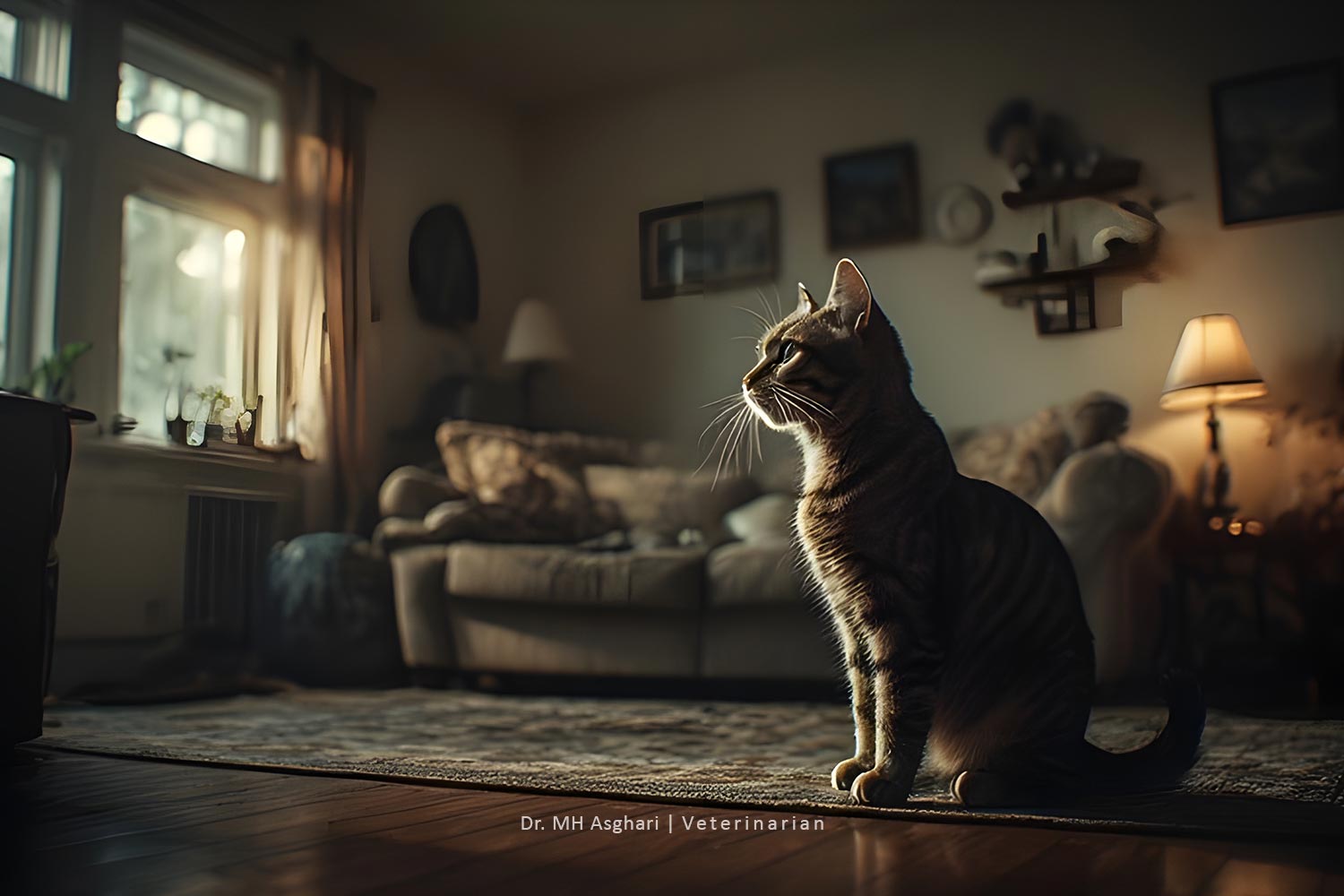
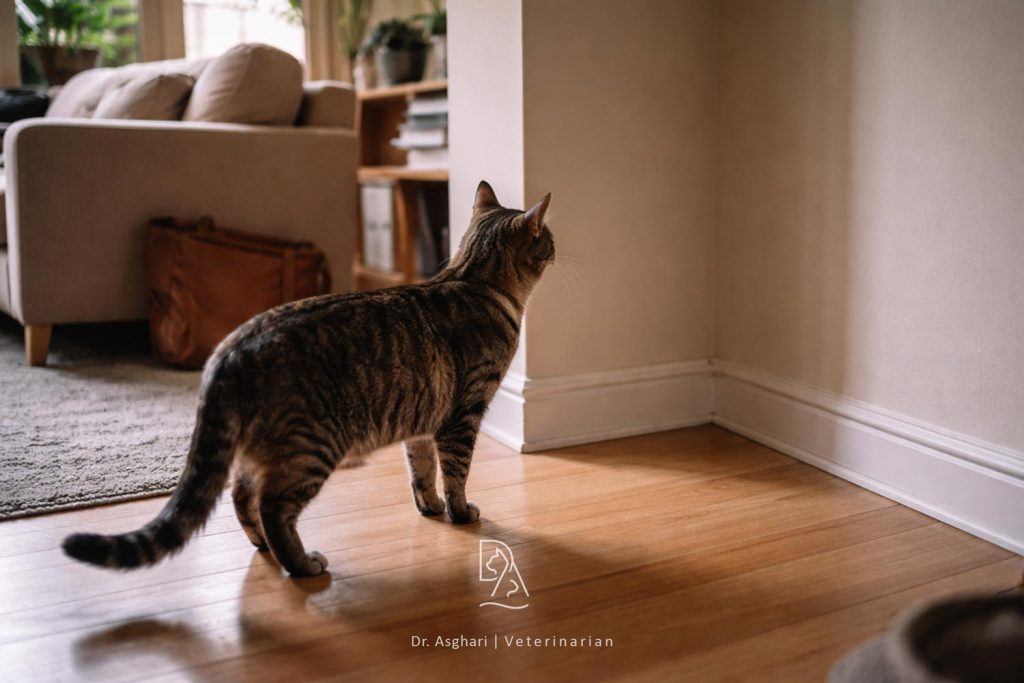
Your cat is standing in the middle of the house, staring at an invisible spot, tail gently moving, and you’re thinking to yourself, What is actually going on inside that brain right now?
Cats are masters at creating the impression that they’re both highly intelligent and completely unpredictable. One moment they’re curled up next to you in pure affection; the next, they disappear at the slightest sound. This contradiction isn’t accidental. It has a lot to do with the cat’s brain and the way it has evolved.
This article isn’t meant to explain the cat brain in a dry, laboratory-style way. Its purpose is to help you better understand the everyday behaviors you see, without exaggeration, without fear, and without feeling like you’re reading a university handout.
Fact One: The cat brain is more similar to ours than you might think
From a structural perspective, the cat brain shares notable similarities with the human brain, especially in the cerebral cortex, the area responsible for processing information, decision-making, and interpreting the environment.
This doesn’t mean cats think like humans. But it does show that a cat’s brain is not just a simple reflex-driven system.
Everyday behavioral example:
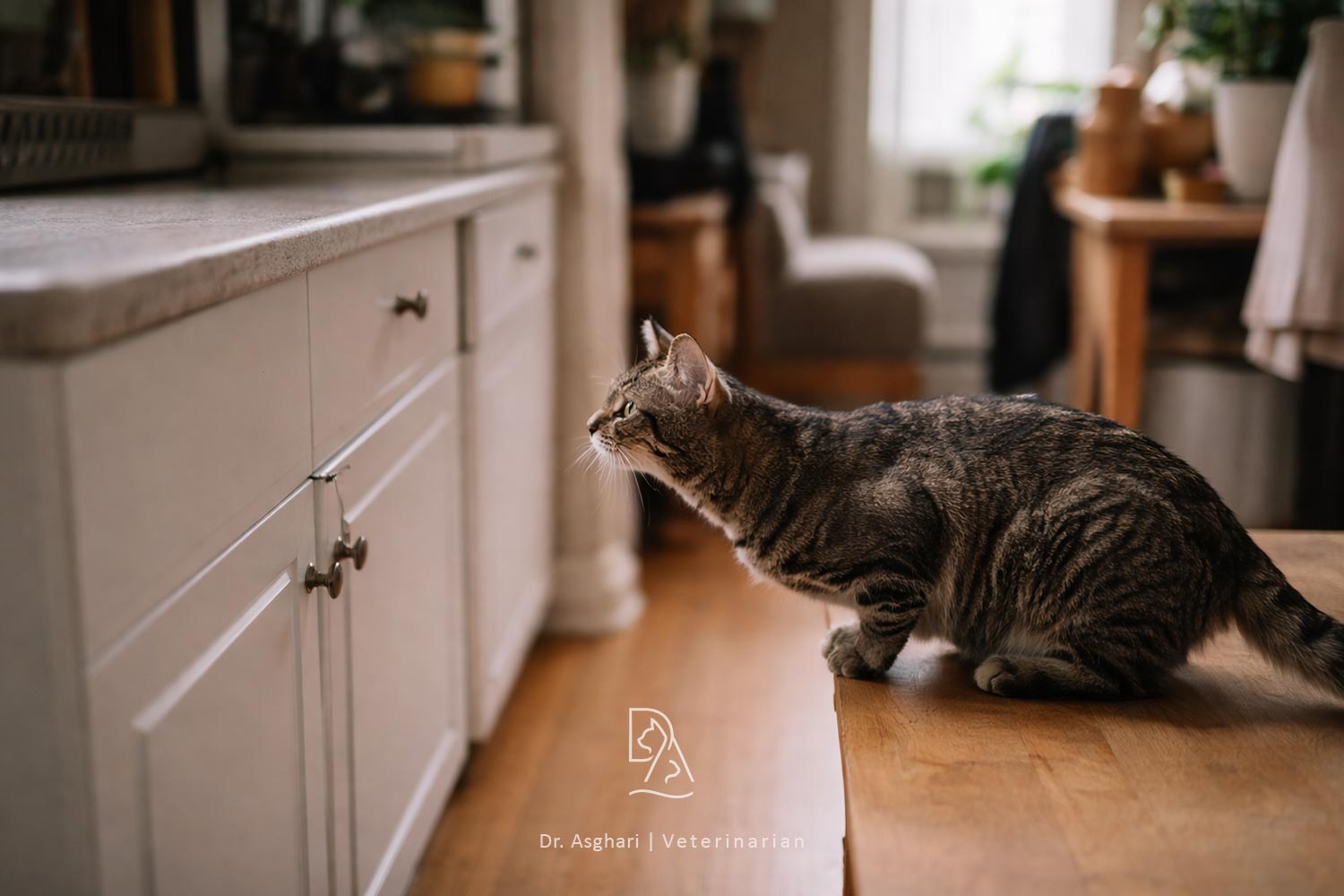
When your cat pauses for a few seconds before jumping onto a cabinet, looks around, and then decides whether to jump or back off, this isn’t a blind instinct. The brain is processing data: distance, sounds, your presence, and the risk of trouble.
In many cases, these brief pauses reflect active decision-making in the cat’s brain, not hesitation or laziness.
Fact Two: Cat intelligence is selective, not performative
One common misunderstanding is that because cats aren’t as obedient as dogs, they must be less intelligent. This assumption is more human-centered than scientific.
Cat intelligence tends to show up as problem-solving for their own benefit, not as behavior meant to please their owner.
Behavioral example:
A cat that learns how to open a cabinet door or knows exactly when to show up by the food bowl is clearly using memory and learning. If that same cat doesn’t respond to its name, it doesn’t mean it didn’t understand. In many cases, it simply chose not to respond.
This pattern shows that the feline nervous system is designed for independence, not obedience.
Fact Three: The link between the cat brain and behavior is direct, but not always predictable
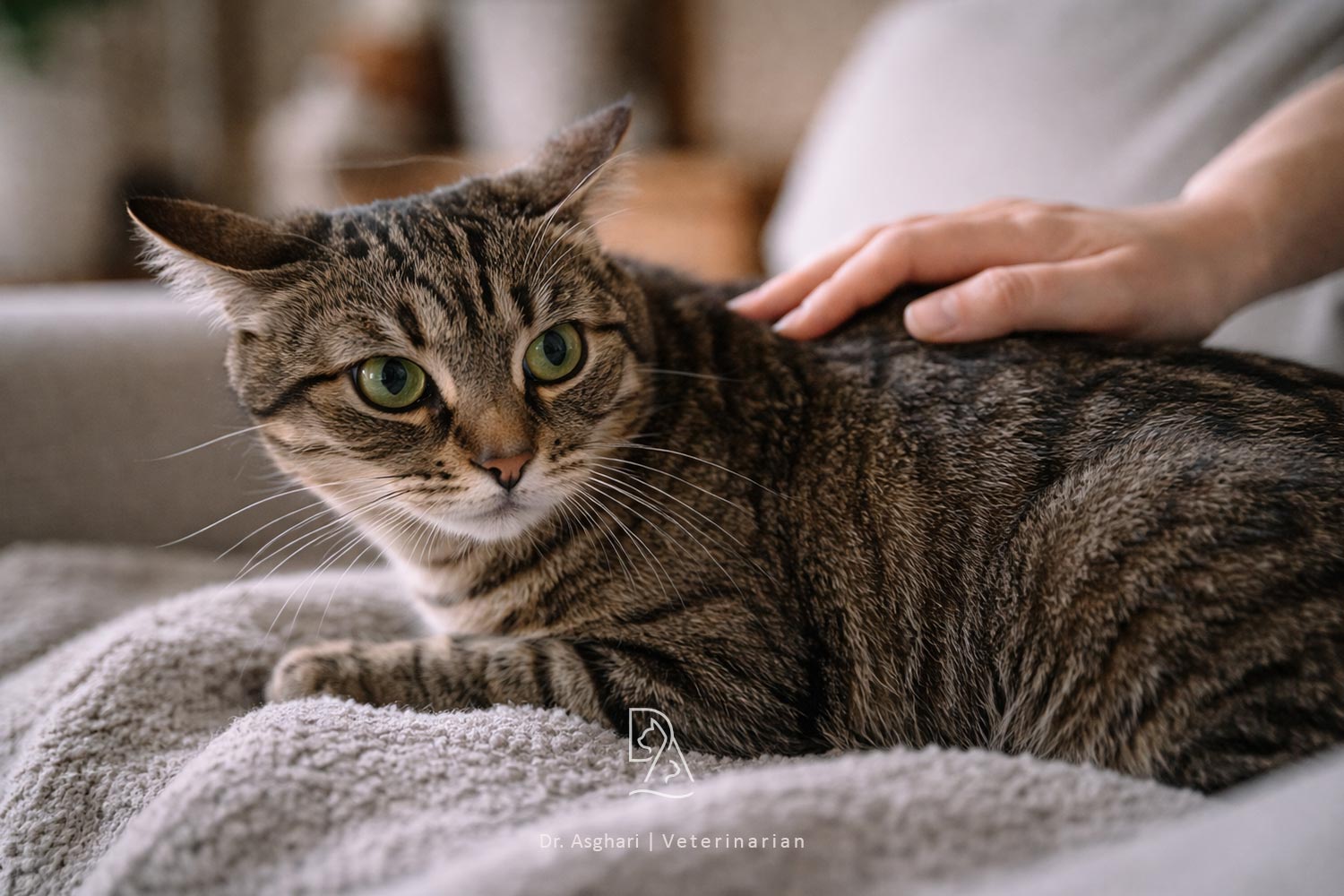
One reason cats seem unpredictable is that their brains are extremely sensitive to subtle environmental stimuli. High-frequency sounds, faint smells, or even small changes in their surroundings can alter their decision-making.
A familiar example:
A cat that enjoyed being petted yesterday may suddenly react defensively in the middle of the same interaction. This behavior is often caused by overstimulation, not bad temper or inherent aggression.
The feline nervous system is tuned for survival, not for unlimited tolerance of physical contact. Ignoring this subtle difference easily leads to misunderstanding.
Fact Four: Domestic cats still have the mind of a hunter
No matter how comfortably your cat lounges on a velvet sofa, its brain still operates according to patterns of hunting, stalking, and rapid response. This is clearly reflected in behaviors that may seem strange at first glance.
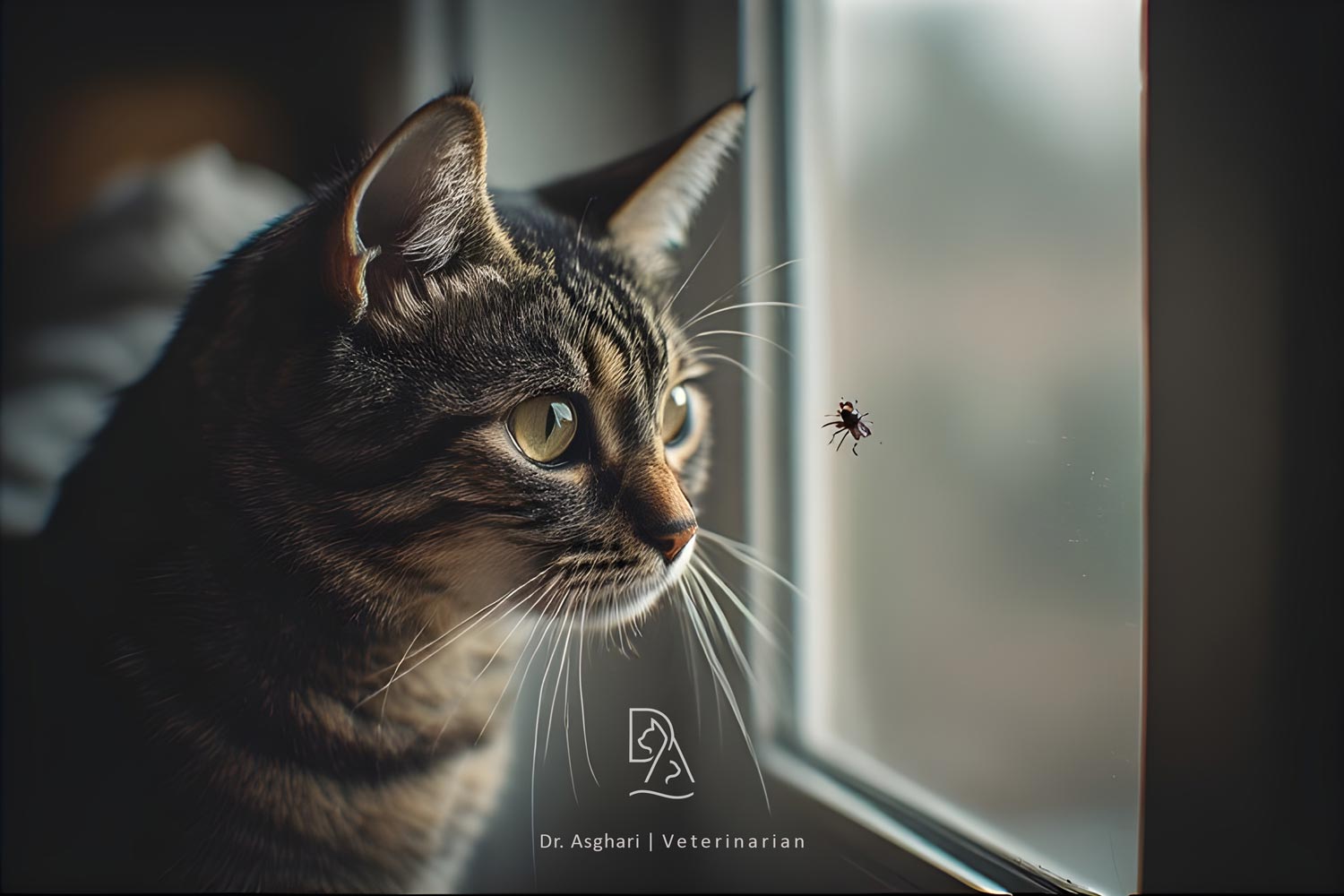
A simple but important example:
Sudden bursts of running around the house, attacking feet, or staring intensely at a small insect aren’t signs of madness. They’re natural outputs of a system designed for hunting, now confined to apartment living.
In many cases, interactive play can help discharge this neurological need and reduce unwanted behaviors. Not through punishment or neglect, but through understanding how the brain works.
Cat vs. Dog Brain: Beyond cliché comparisons
When people talk about the difference between cats and dogs, the conversation quickly turns into familiar phrases:
Dogs are smarter. Cats are more independent. Dogs are loyal. Cats are selfish.
These statements are emotional shortcuts, not scientific explanations.
If we’re being fair, the real difference isn’t intelligence level, but how the cat brain is organized and how its neurological priorities differ from a dog’s.
۱. The dog brain evolved for cooperation; the cat brain evolved for solo survival
Dogs spent thousands of years alongside humans, living in groups, hunting cooperatively, and forming social structures. As a result, their brains are naturally more sensitive to social signals, facial expressions, voices, and commands.
Cats, in contrast, evolved largely as solitary hunters. The cat brain relies less on social coordination and more on environmental assessment, rapid decision-making, and independent exit strategies.
Behavioral result:
The dog asks, What should I do now?
The cat asks, Is this worth it?

Related Articles
۱.Feline Cognition and the Role of Nutrition: An Evolutionary Perspective and Historical Review
۲. β-amyloid and tau pathology in the aging feline brain
۳. Study on the mechanism of visual aging in cats’ primary visual cortex
۴. A predictive model of the cat cortical connectome
۵.New publication details factors affecting cognition in aging cats