Introduction: When the Danger Is Outside, but the Anxiety Lives Indoors
A crisis rarely arrives quietly. When it does, it disrupts everything. Sounds change. News never stops. Daily routines fall apart. People swing between fear, exhaustion, and restlessness. In the middle of all this, the dog or cat sharing our home is breathing the same air, hearing the same noises, and most importantly, watching the same anxious human.
Many pet owners find themselves asking the same question in these moments:
“If I’m not calm myself, how am I supposed to protect my pet’s emotional health?”
It’s a fair question. It’s not dramatic, and it’s not theoretical. It comes straight from lived experience.
This article does not pretend that crises have no impact on animals, nor does it promise quick tricks that magically fix everything. Instead, it aims to help you recognize what reactions are normal, which signs deserve attention, and what your role actually is as a pet owner. The goal isn’t to eliminate anxiety. It’s to make it manageable.
How Stress Develops in Dogs and Cats During a Crisis
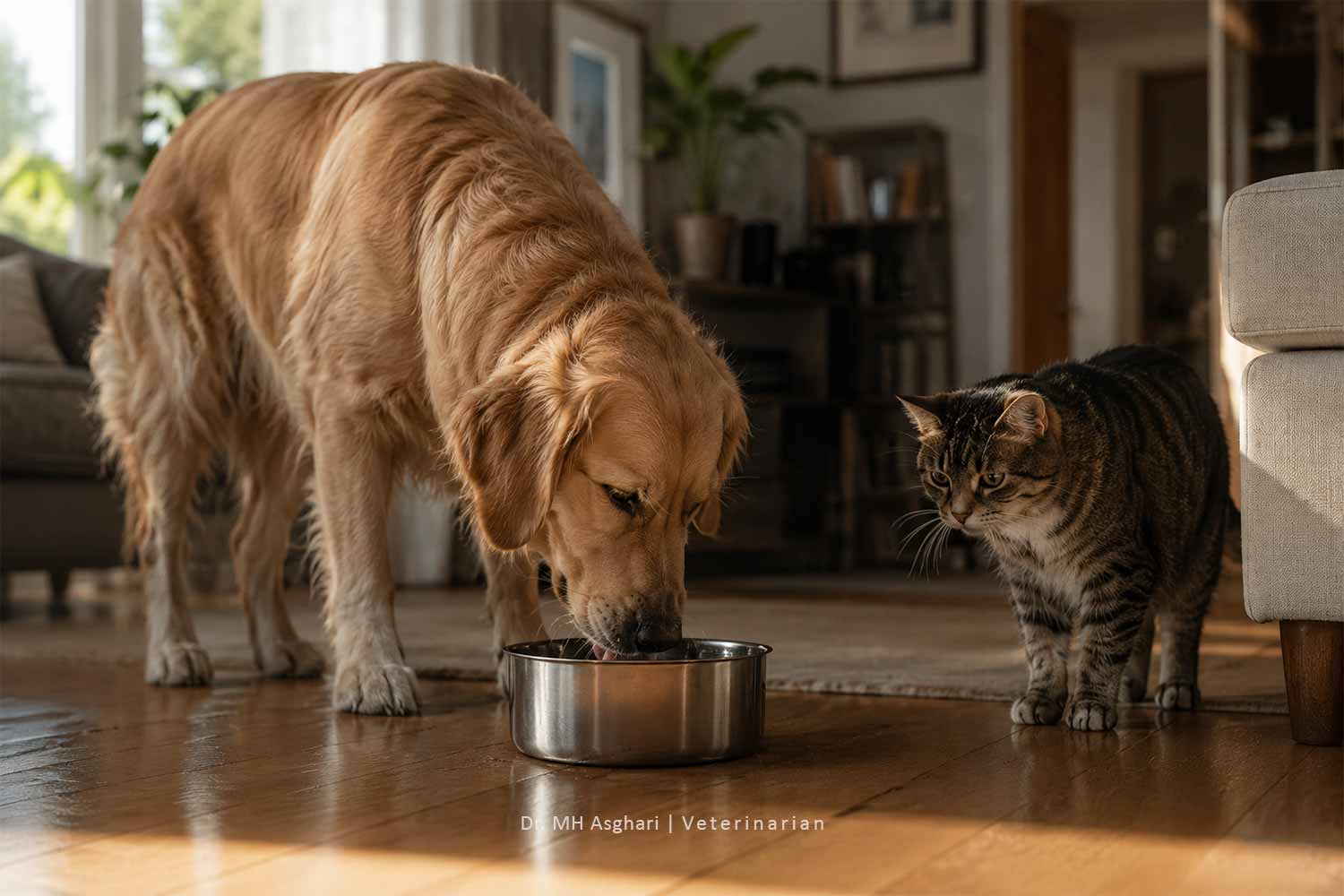
Contrary to popular belief, most pets are not afraid of the “idea” of a crisis. They don’t understand political instability or breaking news. What they experience is a series of unexplained changes happening all at once.
New or louder sounds. A television that stays on for hours. Phone calls whispered with concern. A caregiver who talks less, paces more, or suddenly becomes irritable. Even the physical scent of stress in a human body is something dogs and cats can detect.
To the animal, the message is simple:
“This environment is no longer predictable.”
That loss of predictability is the core of stress in pets during unstable times. Not the event itself, but the collapse of familiar patterns.
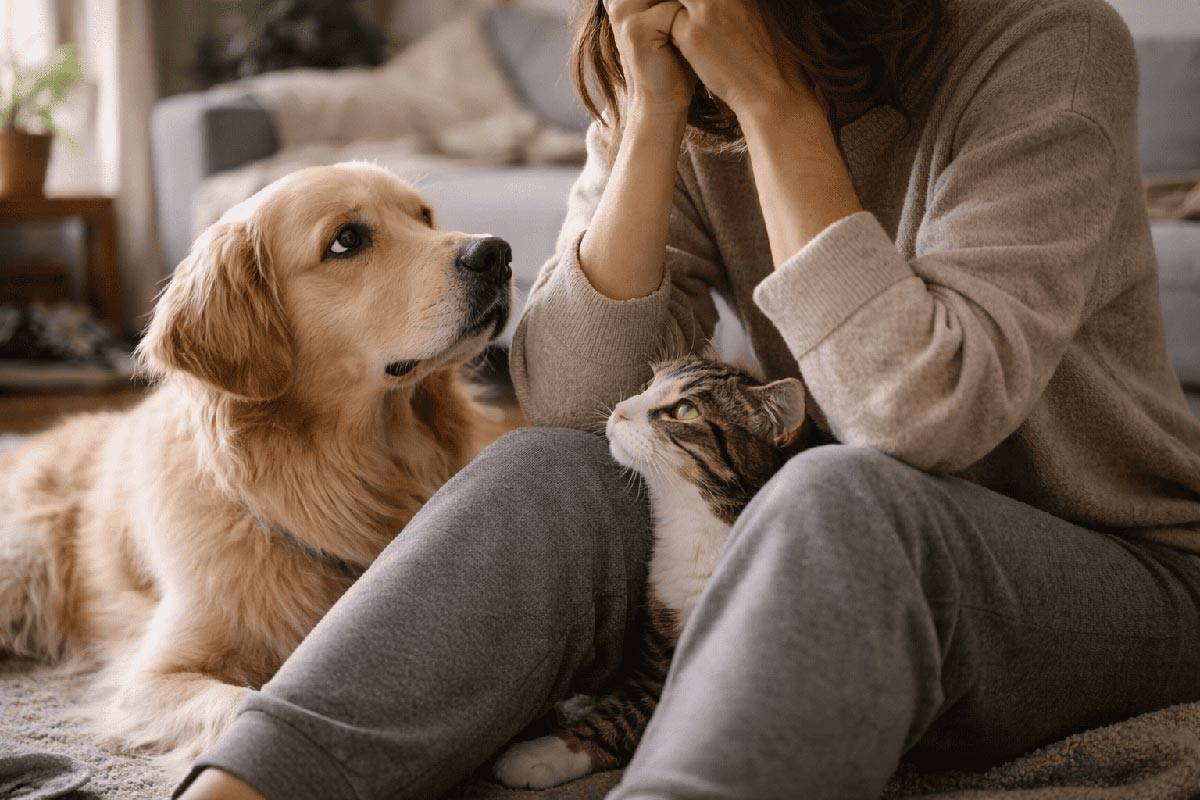
Do Dogs and Cats Sense Their Owner’s Anxiety?
The short answer is yes, and more accurately than we often like to admit.
Dogs are highly sensitive to body language, tone of voice, and movement patterns. A dog who notices their owner constantly glued to a phone, speaking with tension, or moving abruptly interprets this as a warning signal. For dogs, their human is the primary source of safety. When that source feels unstable, anxiety rises.
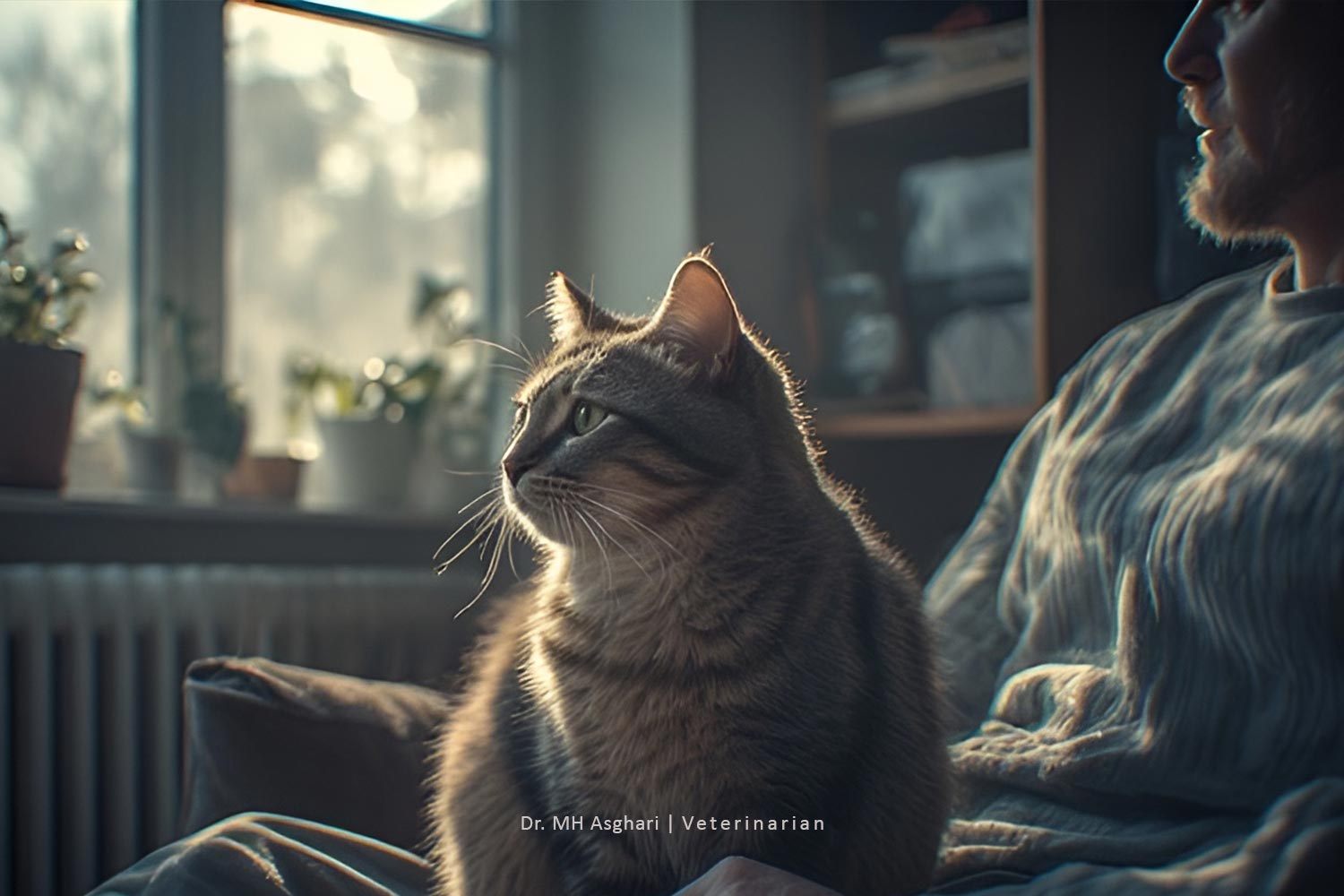
Cats respond differently. They are less openly dependent but more sensitive to changes in atmosphere. A cat living with an anxious person may withdraw, hide, or reduce interaction. This is not emotional detachment. It’s a self-protective strategy.
The key point is this: pets don’t need to understand our anxiety. They absorb it. Much like a child who doesn’t grasp the reason, but fully feels the emotional weight.
Dogs in Times of Uncertainty: Why They Become Restless or Clingy
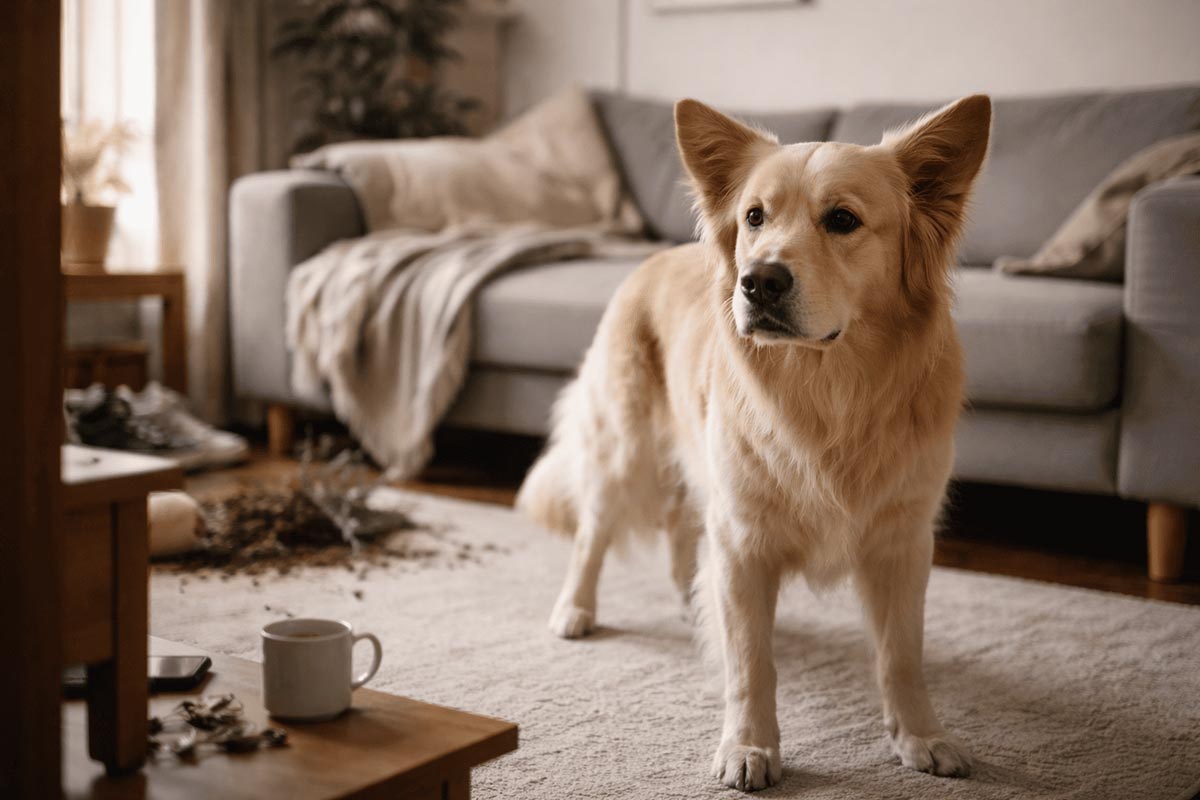
During crises, many dogs show increased dependency or restlessness. A dog that used to be fairly independent may suddenly follow their owner everywhere. A dog that slept soundly may now react to every noise.
These behaviors are not signs of spoiled habits or failed training. They are attempts to find safety. When the outside world feels unreliable, the dog clings to the nearest source of stability: you.
Restlessness, increased barking, excessive licking, or panting are common stress responses. If these behaviors appear briefly, they are considered normal. Concern begins when they intensify or fail to ease over time.
In these situations, the owner’s response matters. Calm, predictable behavior without punishment is essential. Punishment only reinforces the sense that the world is unsafe.
How Cats Respond to Crisis: Silence, Hiding, and Distance
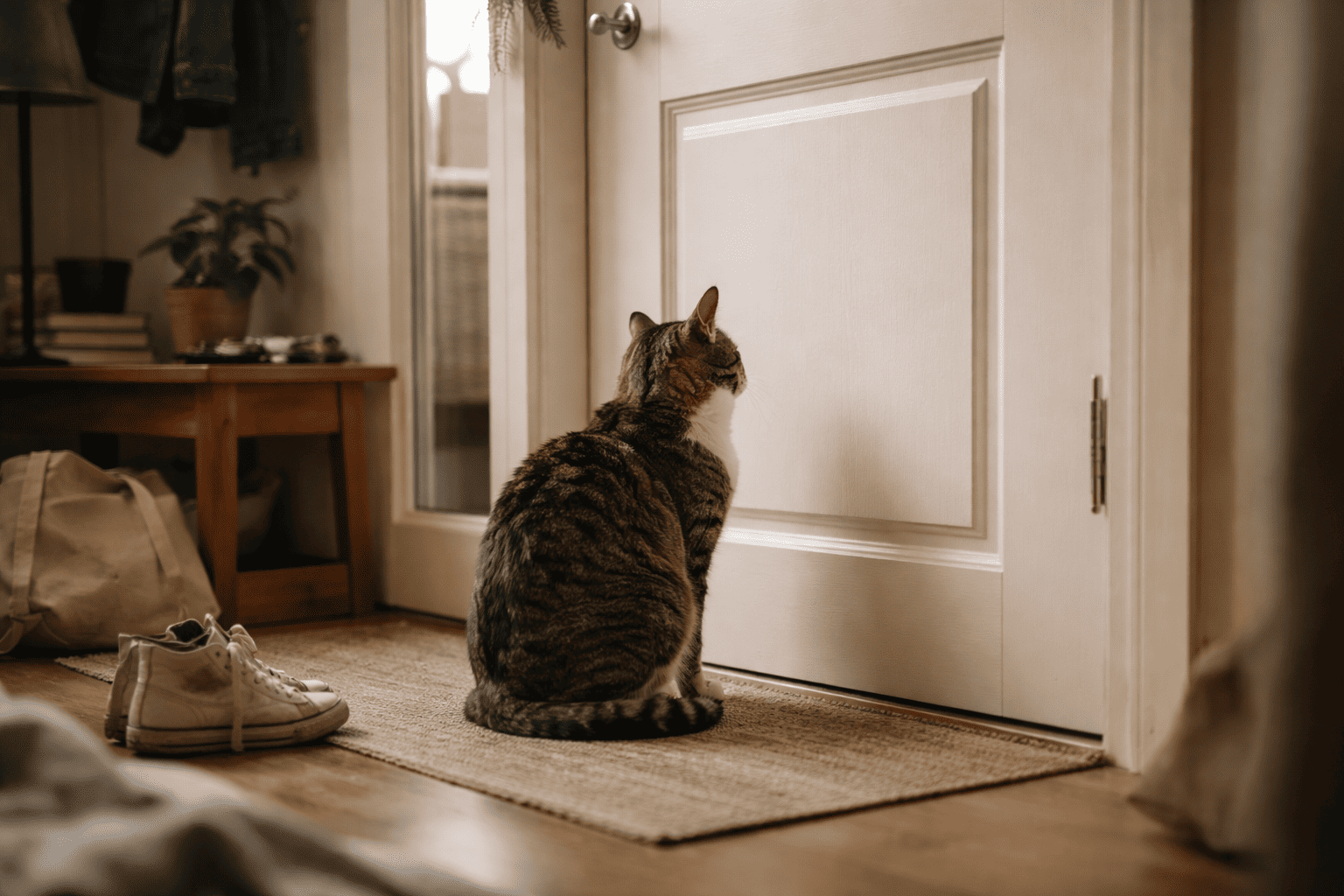
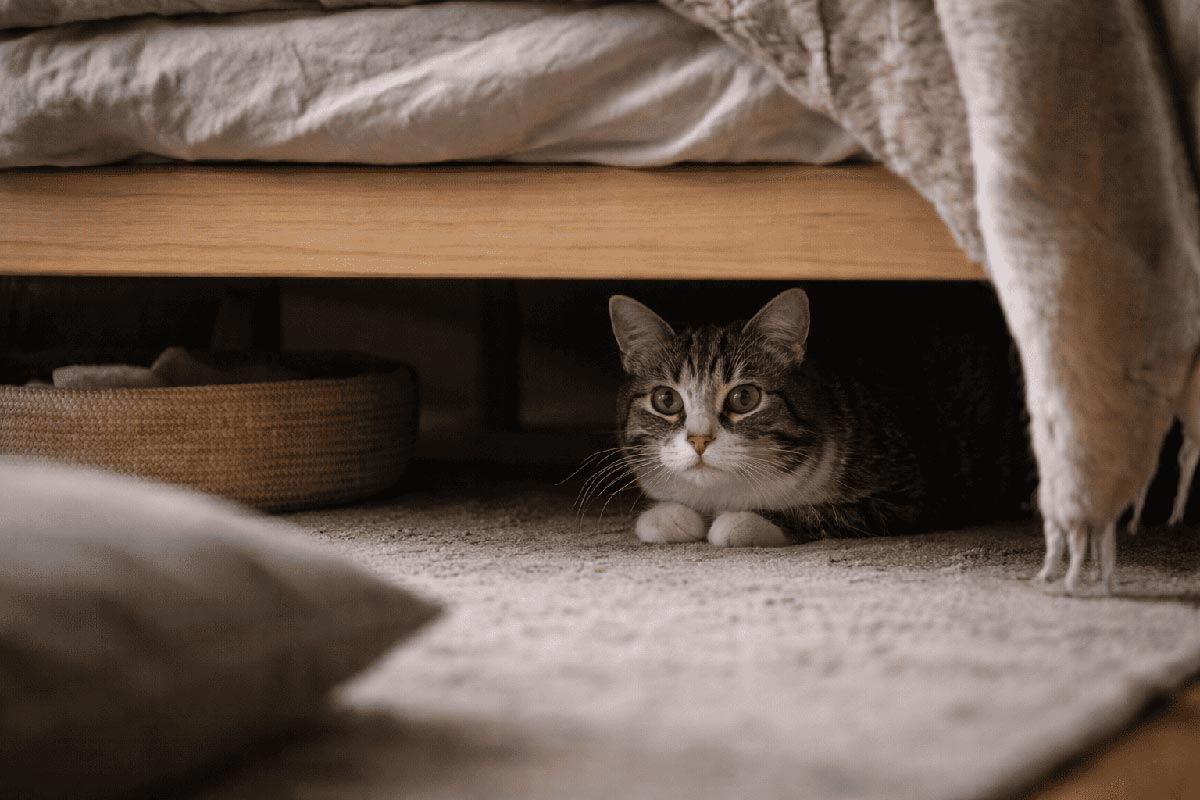
Cats often respond to instability by retreating. A cat that becomes less visible, eats less, or chooses dark, enclosed spaces is not necessarily sick. It is trying to regain a sense of control.
Hiding is a survival strategy for cats. Quiet spaces with familiar scents and minimal disturbance feel safer. Forcing a cat out of these spaces usually backfires and increases stress.
What makes this tricky is that cats internalize stress more than dogs. They may appear calm on the surface while psychological pressure builds internally. Changes in appetite or litter box behavior are important signs and should not be ignored.
Your Role as a Pet Owner During a Crisis
When you’re anxious yourself, being reminded of your responsibility can feel unfair. But the reality is that your pet has no alternative. Their entire world is the home and the people inside it.
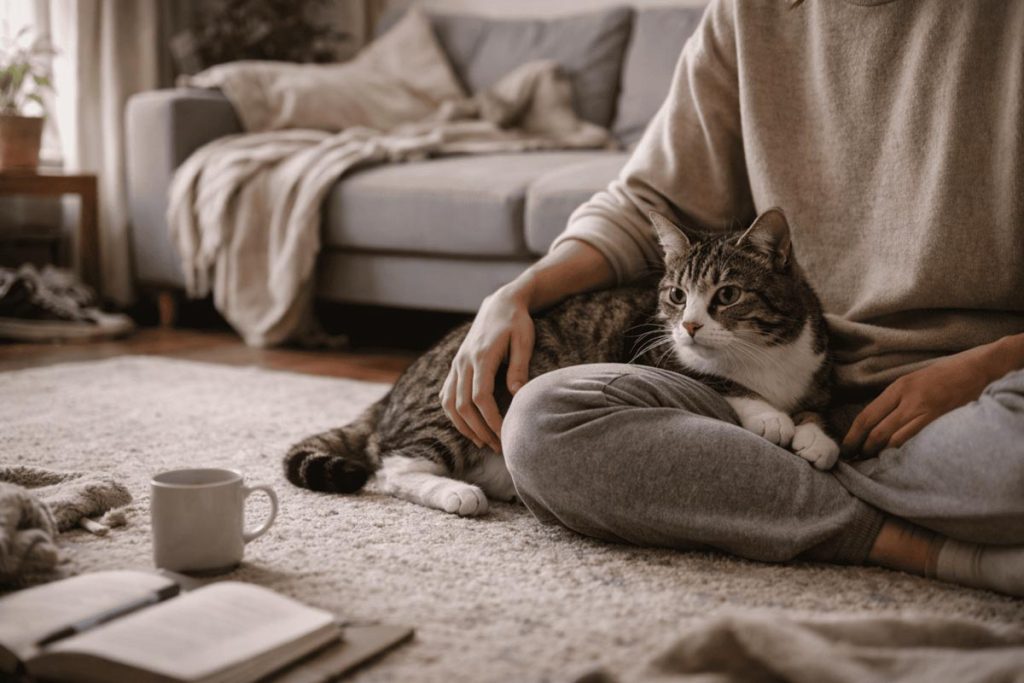
Your role is not to control the crisis. It’s to manage the environment. Your pet doesn’t need everything to be perfect. They need to see that some things are still stable.
Consistent feeding times, even if simplified. A familiar safe corner in the house. Lower news volume. Slower, more deliberate movements. These small details carry real meaning for animals.
Even if you feel anxious, try not to release that tension explosively. Yelling, arguments, or chaotic behavior are perceived as threats by pets.