Which Cat Breed Are Suitable for Children?
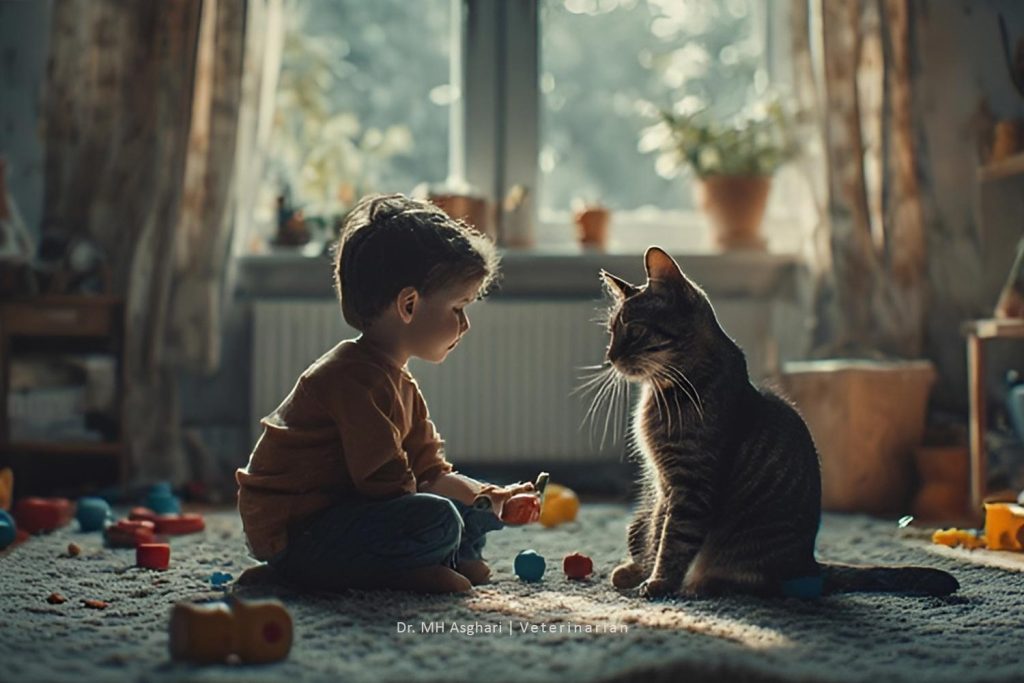
Imagine a typical afternoon. Your child is sitting on the floor, toys scattered around, excitedly explaining something half of which makes no sense. Amid all this chaos, there’s a cat in the house. The key question is:
Will this cat be a source of calm in the home, or a new source of stress?
Many families get stuck right here. On one hand, they want their child to grow up with an animal, to learn responsibility and kindness. On the other hand, they worry:
- What if the cat scratches?
- What if the child bothers it?
- Is every cat even suitable for a child?
If you’re looking for a fancy list of “۵ magical breeds,” this article might disappoint you. But if your goal is to make an informed choice about the right cat breed for children, you’ve come to the right place.
Does the Cat Breed Really Matter for Children?
Or is it all about upbringing?
This question usually comes from parents stuck between two opposing views. One says, “The breed doesn’t matter, it’s all about training.” Another confidently lists specific breeds and insists only those are suitable for kids. The truth, as always, lies somewhere in between.
Let’s be realistic. The cat breed is not entirely irrelevant. Certain genetic types are naturally calmer, slower to get stimulated, and less likely to overreact to the noise and activity of children. This doesn’t mean the cat is good or bad; it’s simply a difference in tolerance levels—just like humans. Some thrive in a lively household, while others search for quiet after ten minutes.
On the other hand, breed alone doesn’t work miracles. A cat’s behavior around a child results from a complex mix of factors. A cat with previous negative experiences with humans may show unpredictable reactions, even if it belongs to the calmest breed. Or a cat living in an environment without safe retreat spaces will eventually feel pressured. This stress usually starts with hiding and, if ignored, can lead to scratching or biting.

One often overlooked factor is the role of the child and parents. Even the most patient cat in the world will eventually react if constantly subjected to unwanted touching, rough hugs, or being chased around the house. The problem here isn’t an “unsuitable breed”; it’s poor management. Cats have a language—they just don’t speak like us. When signs of discomfort are ignored, their last resort is a physical response.
So, when we say “right cat breed for children,” we don’t mean that choosing this breed guarantees everything will be perfect. What we mean is some breeds inherently offer a larger margin of safety. They get agitated more slowly, withdraw sooner, and are less prone to sudden behaviors. This translates to lower risk, not zero.
The smart decision comes here: choosing a breed that aligns with the household’s activity level, the child’s age, and the family’s lifestyle, alongside teaching the child and providing a safe space for the cat. Missing any of these pieces can turn even the best genetic choice into a stressful experience.
What Makes a Cat Family-Friendly?
Know these traits before focusing on the breed
Many families looking for the right cat breed for children go straight to names: Ragdoll, British Shorthair, Maine Coon. But this is like buying a car based on looks before knowing your driving style. Breed matters, but without knowing which traits you need, the name alone won’t help.
The first key trait for any cat in a family home is tolerance for noise and movement. Homes with children are rarely quiet or predictable. Running, laughter, crying, or occasional parties are part of reality. A cat that jumps at every sudden sound or hides constantly—even if genetically considered a right cat breed for children—will experience stress, which will eventually manifest.
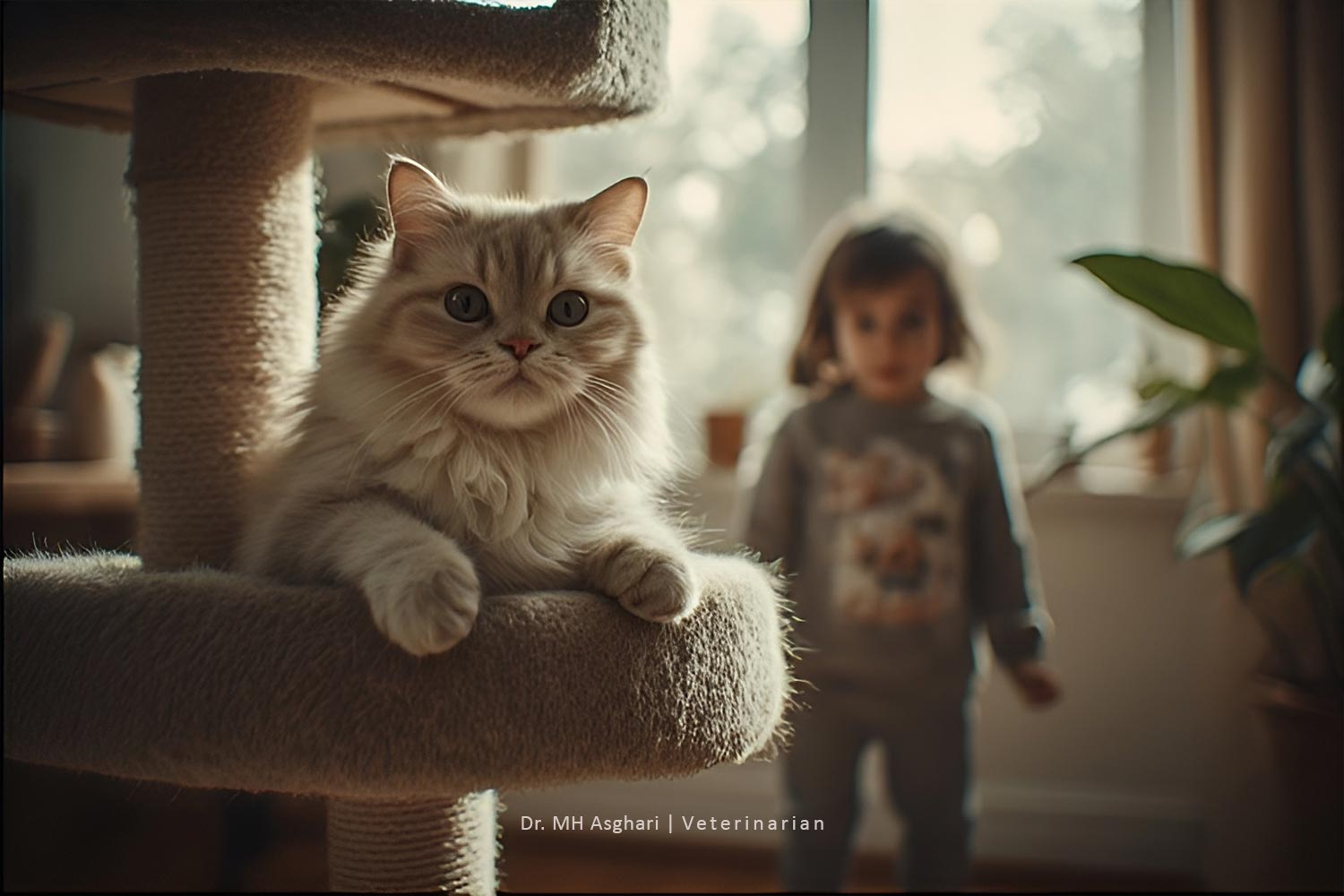
The second trait is how the cat responds to pressure. No cat enjoys excessive touching, but differences matter. Some react defensively quickly; others withdraw first or signal discomfort through body language. For families, especially with young children, this difference is crucial. The right cat breed for children is usually one that uses calmer signals before scratching or biting.
Interaction is the next factor. A fully isolated cat won’t develop a healthy connection with a child. Conversely, a cat that is overly dependent and cannot tolerate being alone may become anxious in busy households. The family-friendly cat lies somewhere in between—social, but with clear boundaries. This balance is critical when selecting the right cat breed for children.
Everyday changes are another often-overlooked factor. A child’s sleep schedule shifts, school starts, guests arrive, furniture is rearranged. Some cats adapt easily; others struggle. Breeds with more flexibility usually offer a safer choice for families—not because they are insensitive, but because they have calmer nervous systems.
Ultimately, choosing a cat with these traits covers a large part of the path. This is where the right cat breed for children comes into play—not as a guarantee, but as a tool to increase the likelihood of a peaceful coexistence. Breed won’t eliminate problems; it only helps reduce them.
Best Cat Breed for Children
۱. Ragdoll
Ragdolls are famous for their calmness—their name comes from how they go limp when picked up.
Why they are popular with families:
- Gentle behavior
- Rarely scratches under normal circumstances
- Good compatibility with moderately energetic children

Key limitation:
If a child is very young and constantly hugs the cat, the Ragdoll may experience silent stress. Calm does not mean limitless tolerance.
۲. British Shorthair
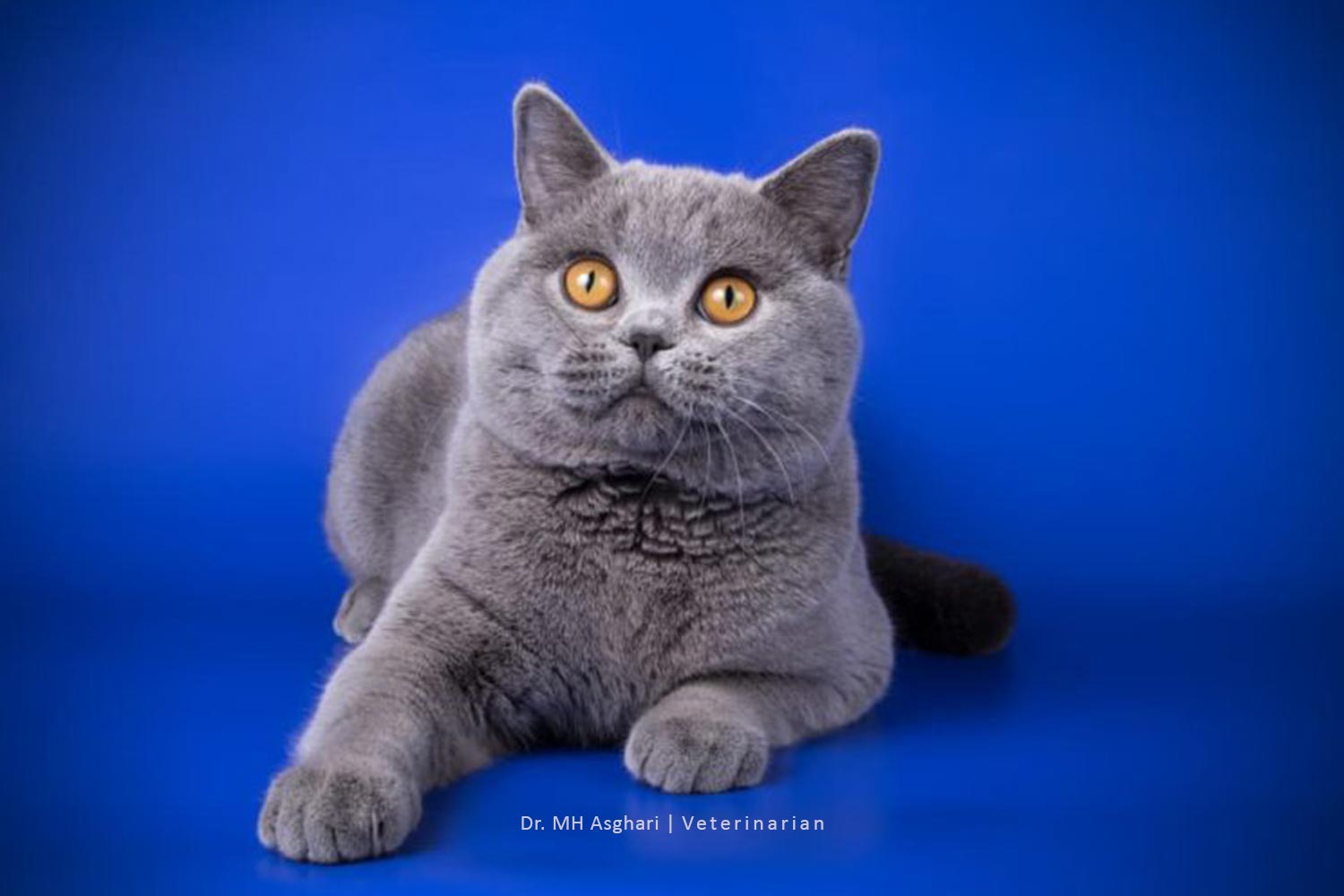
If you want a calm cat for a busy home, the British Shorthair is a reliable option.
- Independent but tolerant
- Less reactive emotionally
- Enjoys being around people without constantly seeking attention
Important note:
This breed is not a professional cuddler. Children insisting on excessive contact need guidance.
۳. Maine Coon
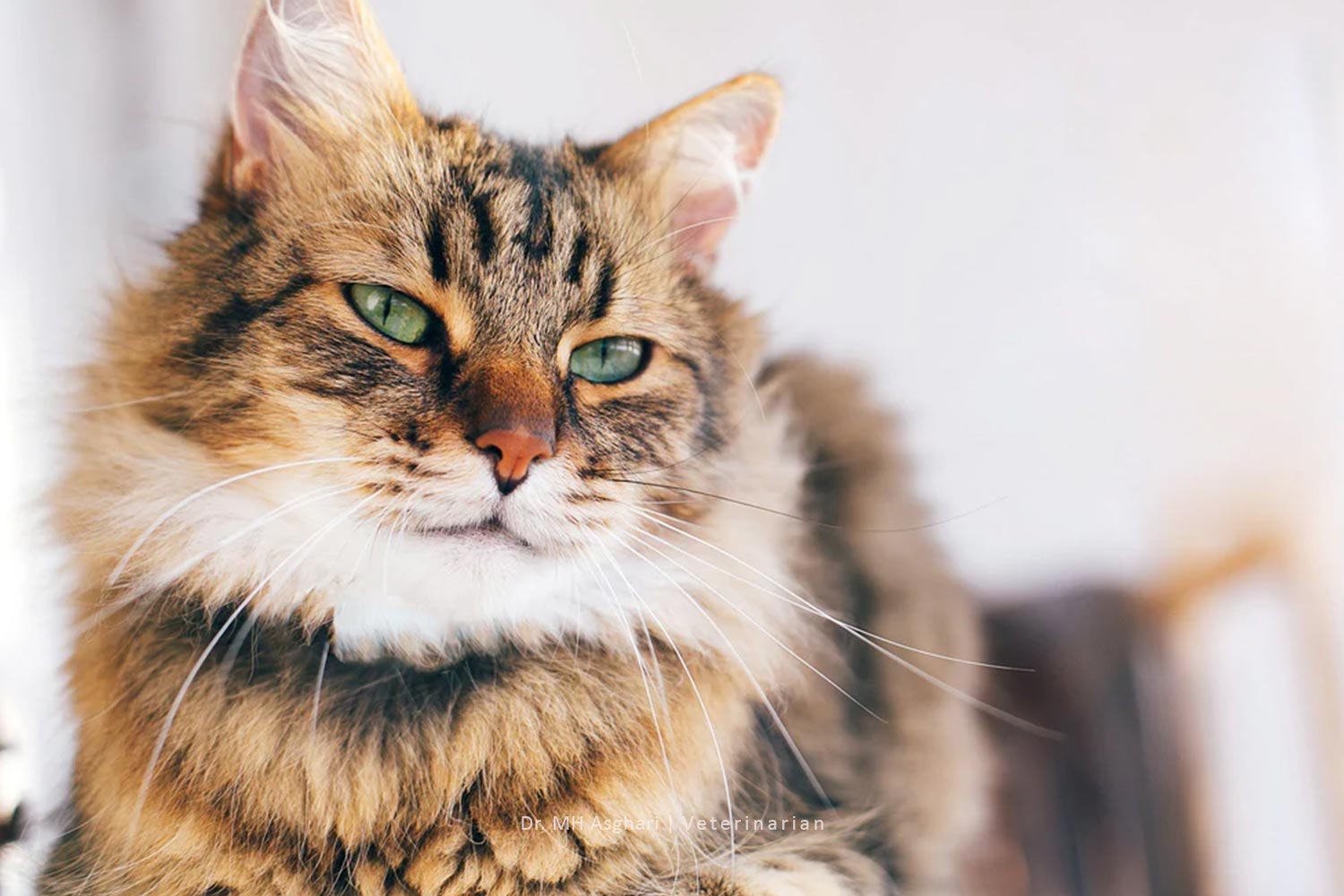
Large, gentle, and patient—a combination that attracts many.
- High tolerance for children’s play
- Social interaction skills
- Less fearful of sudden noises
Caution:
Their size can intimidate some parents, though the real risk often comes from smaller, more nervous cats rather than these calm giants.
۴. Burmese
For active families with playful kids, this breed can be a great companion.
- Social
- Playful
- Strong emotional bond with family members
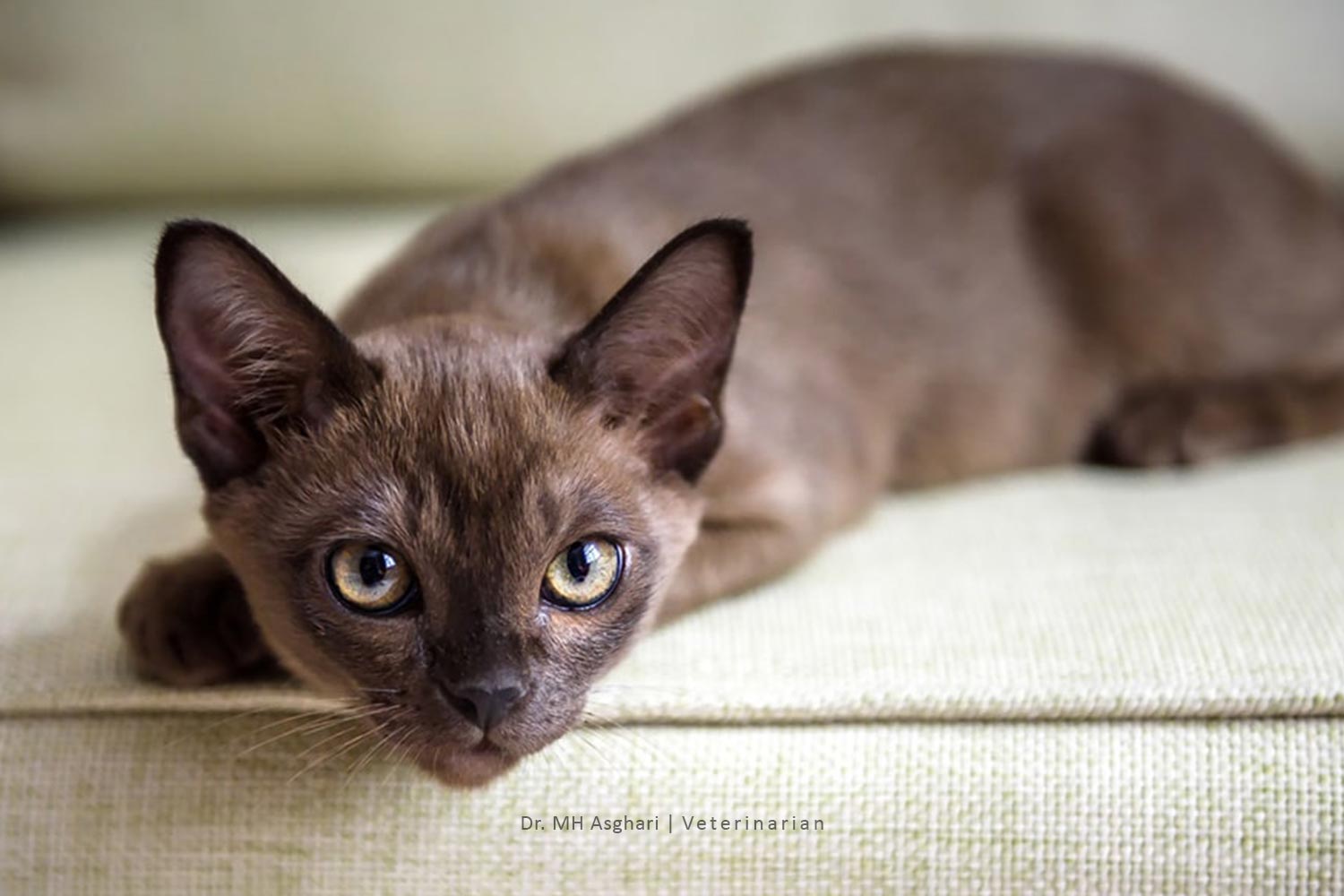
Warning:
In households where interaction time is limited, these cats may become anxious.
Are All Cats Suitable for Children?
Short answer: No. Real answer: It depends.
Some breeds or personality types:
- Have lower tolerance
- Get stimulated more quickly
- Have a history of stress or fear
A frequently overlooked point: sometimes the issue isn’t the “wrong cat,” but an untrained child.
How Cats’ Behavior with Children Develops
A common family experience
A cat’s behavior with a child is not written on its forehead from day one. Even the best right cat breed for children develops its final behavior through experiences in the first weeks and months of shared life.
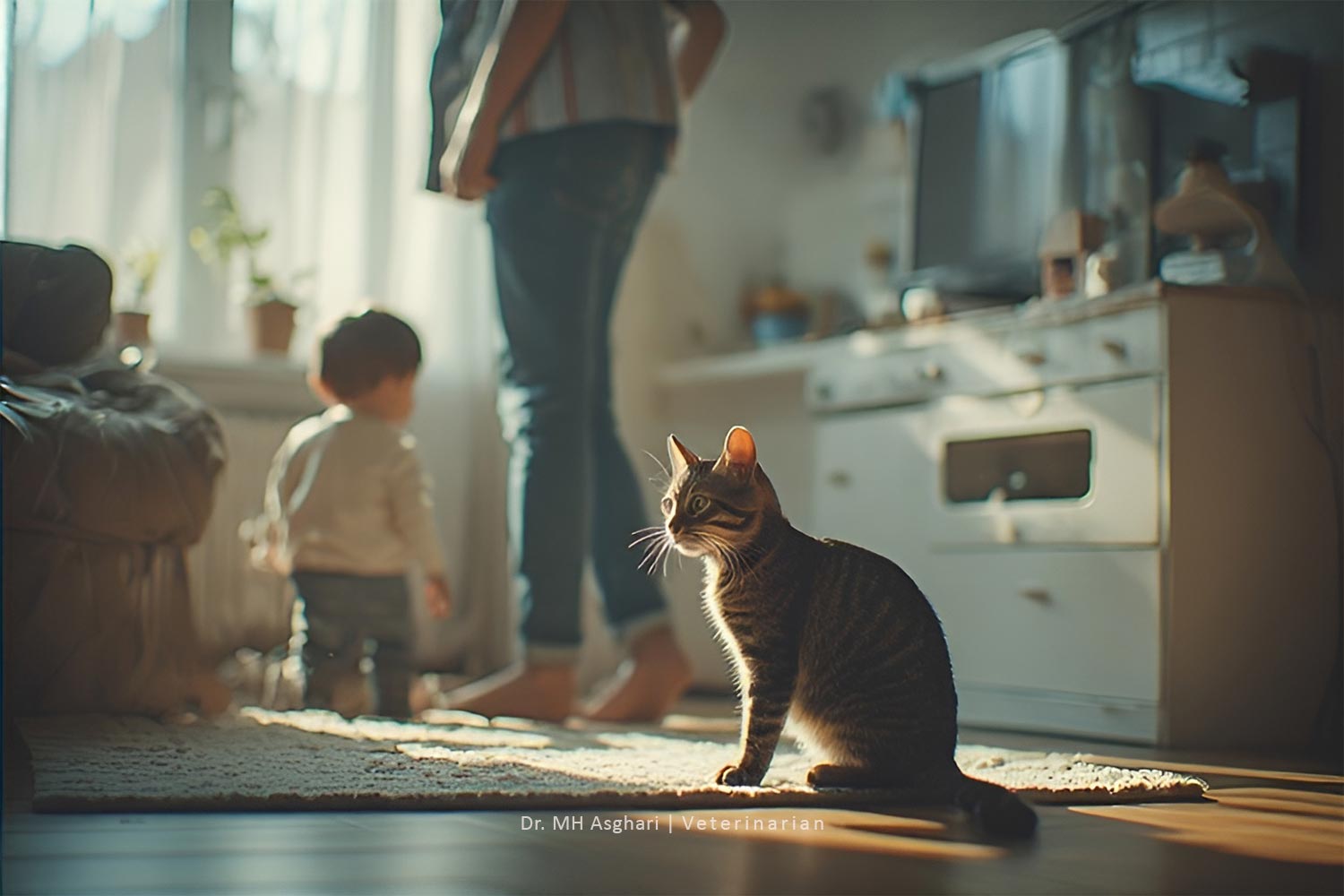
Consider a family with a four-year-old child. Their cat is calm, not timid, appearing exactly as described in guides on the right cat breed for children. Week one: the child approaches out of curiosity, the cat withdraws slightly, all is under control. Week two: the child becomes bolder—tugs the tail, pets more firmly, chases the cat. The cat signals discomfort, but no one notices. Week three: the first scratch happens.
At this point, the label often applied is: “This cat wasn’t suitable for children.”
The reality? The breed wasn’t wrong; the child’s behavior and environmental management were not properly guided. Even the calmest right cat breed for children will react if it feels trapped.
Common Mistakes Families Make
Many tensions stem not from breed, but from rushed decisions. Families often choose a cat based solely on appearance, without considering the child’s age or household activity. Some assume the child “will learn” or the cat “will adapt.” The truth is, neither happens automatically.
Even the best right cat breed for children can turn into a stressful experience without simple child training and clear rules. Cats respond to behavior, not good intentions.
The Difference Between “Cat Suitable for Children” and “Child Suitable for a Cat”
Here’s a point many articles skip, but shouldn’t. A cat that genuinely tolerates children usually lives in a home with safe spaces—places to retreat, avoid unwanted contact, and move without being chased.
Conversely, a child suitable for a cat learns that not everything is a game. They understand when to approach, when to keep distance, and read simple cues that indicate the cat is uncomfortable. These skills are taught, not innate.
When both factors are in place, the right cat breed for children can fulfill its role—not as a problem shield, but as a foundation for calmer interactions. Without this balance, even the best genetic choice will crack under human mistakes.
Summary of right cat breed for children
In short:
- The right cat breed for children matters, but it’s not a guarantee.
- The best breed is one that fits the family’s lifestyle.
- Child training, parental management, and understanding cat behavior are decisive.
The right choice reduces risk, it does not eliminate it. And that’s exactly what an informed family seeks.
Frequently Asked Questions by Parents
۱. Is a cat dangerous for a child? In a managed environment, usually not. The main risk comes from misbehavior or stress.
۲. Are there cats that never scratch? No. But some breeds are far less likely to do so.
۳. What age should the child be? Usually over ۴–۵ years old, when simple rules can be understood.
۴. Is it better to have an adult cat or a kitten? Often, an adult cat with an established personality is a safer choice.
۵. Are street cats suitable for families? Yes, if they have a calm and social personality. Breed only matters on paper.